


Your Kid's Backpack Is Full Of Petroleum


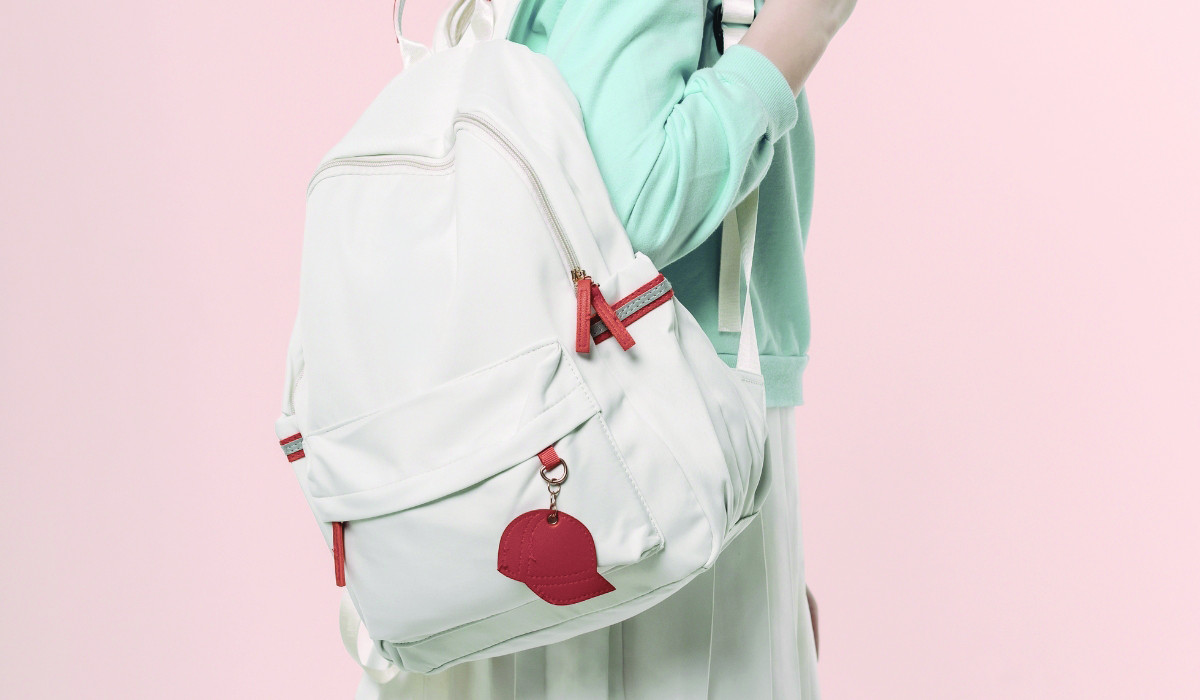
Your Kid's Backpack Is a Petroleum Product
What's actually in the school supply list — and why almost nobody is required to tell you
Every August, parents do the same thing: receive the dreaded school supply list, open Target's app, and watch a cart fill up with primary-colored plastic. Folders, pencil pouches, a binder with a cartoon dog on it. It all feels harmless, right? It's just a $4 pencil case, not a climate decision.
Except somewhere in that cart, there's a decent chance you just bought a small amount of petroleum, molded into the shape of a 3-ring binder.
That's not a metaphor. It's a materials question, and it's one almost nobody is required to answer for you at the point of sale.
The Big Concept: What "Vinyl" Actually Means
Here's the term worth knowing: PVC, or polyvinyl chloride. It's the same base plastic used in pipe fittings, vinyl flooring, and shower curtains — and it also shows up, constantly, in the school supply aisle. Binders, pencil cases, backpacks, lunch boxes, and rain gear are frequently made from it, usually just labeled "vinyl" on the packaging.
On its own, PVC is rigid and brittle — not exactly binder material. To make it soft and flexible enough to zip, fold, and bend, manufacturers add a class of chemicals called phthalates. Phthalates aren't chemically bonded to the plastic, which means they don't stay put — they migrate out over time, through touch, through the air, and especially through the kind of hand-to-mouth contact that's basically a full-time job for anyone under age ten.
The most-cited data point here is a 2012 investigation by the Center for Health, Environment & Justice (CHEJ), which sent 20 popular back-to-school items — backpacks, binders, lunch boxes, rain boots — to an independent lab. Three-quarters of the products tested came back with phthalate levels that would violate the federal limit if the product were legally classified as a toy. Some individual products, like a well-known cartoon-branded backpack, tested at over 60 times that limit.
It's worth being straight about the age of that study — it's from 2012, not last year. But the loophole it exposed hasn't closed. Federal phthalate limits still apply specifically to toys, and school supplies — even ones marketed directly to small children — generally aren't classified that way. More recent screenings, including a 2026 spot-check by BAN Toxics that used handheld XRF analysis on retail school supplies, have continued to find lead and cadmium in PVC-based products. The regulatory gap CHEJ flagged over a decade ago is, largely, still there.
Why This Matters More for Kids Than Adults
Phthalate exposure isn't just a "chemical of concern" abstraction — it's been studied enough that a few things are fairly well established:
- Kids absorb more of it, proportionally, than adults do, because of how much time they spend with hands (and school supplies) near their mouths.
- Phthalates are endocrine disruptors, meaning they interfere with hormone signaling rather than acting as a classic poison — which is part of why the effects show up as developmental and behavioral associations rather than acute symptoms.
- The exposure is cumulative and largely invisible. Nobody's kid gets sick from one vinyl pencil case. The concern is the sheer number of PVC products moving through a kid's daily routine, all adding to the same body burden.
None of this is a reason to panic-replace a functioning backpack mid-semester. It's a reason to be a little more deliberate about which few items on the list are worth the swap.
It's Not Just PVC… Even the "Safe" Stuff Is Usually Synthetic
Skip the vinyl binder and you're not necessarily in the clear. Most backpacks — even the sturdy, PVC-free ones — are made from polyester or nylon, both petroleum-derived synthetics. They don't carry the same phthalate concern as PVC, but they come with a different one: like the synthetic tennis whites we covered a few weeks back, they shed microplastic fibers with every wash, and they're made from a fossil fuel input either way.
The better-but-imperfect options, in rough order of preference:
- Canvas or cotton backpacks — natural fiber, no microplastic shedding, though less water-resistant.
- Recycled polyester (rPET) backpacks — made from reclaimed plastic bottles rather than virgin petroleum. Still synthetic, still sheds some microfiber, but it's diverting existing plastic waste rather than extracting new material.
- Conventional polyester/nylon — the default, and not worth an emergency replacement if that's what you already own.
- Vinyl/PVC exteriors — the one actually worth actively avoiding on a new purchase.
Who's Actually Regulating Any of This?
Short answer: almost no one, and it's inconsistent state by state.
Minnesota passed a law in 2023, expanded in 2025, restricting lead and cadmium across 15 categories of consumer products — school supplies included. It's one of the more comprehensive state-level rules specifically naming this category.
Oregon's Toxic-Free Kids Act is expanding in 2026 to require more specific brand-and-model level disclosure of chemicals of concern in children's products, building on similar reporting rules already in place in Washington and Vermont.
Outside of a handful of states — mostly the usual regulatory leaders like California, Minnesota, Oregon, and Washington — there's no requirement that a backpack or binder disclose its PVC or phthalate content at all. Federal action has stalled for over a decade: the Safe Chemicals Act, introduced back in the wake of the original CHEJ report, never passed.
Translation: the label is doing less work than you'd hope. The responsibility for checking currently sits with the parent standing in the aisle.
The Actual Shopping Checklist
You don't need to overhaul the whole list. A few swaps do most of the work:
- Binders: Skip vinyl. Look for paperboard, fabric-covered, or explicitly "PVC-free" binders. They hold up just as long.
- Backpacks: Canvas, cotton, or recycled polyester (rPET) over generic "PU" or vinyl exteriors.
- Lunch boxes: Stainless steel or PVC-free insulated options instead of soft-sided vinyl lunch bags — this one matters more than most, since it's in direct daily contact with food.
- Pencil cases and folders: The cheapest, flimsiest plastic option in the checkout aisle is disproportionately likely to be PVC. A basic canvas pouch or a paperboard folder solves this for a couple of dollars more.
- How to check: Flip the product over. Recycling code #3 or the letters "V" or "PVC" near the symbol means vinyl. No number at all isn't a good sign either — it usually means the manufacturer didn't want to disclose. "PVC-free" or "phthalate-free" printed on packaging is a real, actionable claim, not just marketing language.
Subscribe now to continue reading.
(16% discount)
• Access to unlimited articles
• Sustainable product guides & recommendations
• Weekly newsletters
Already a member? Log in.


%C2%A0.jpeg)