

Sustainable School Supplies
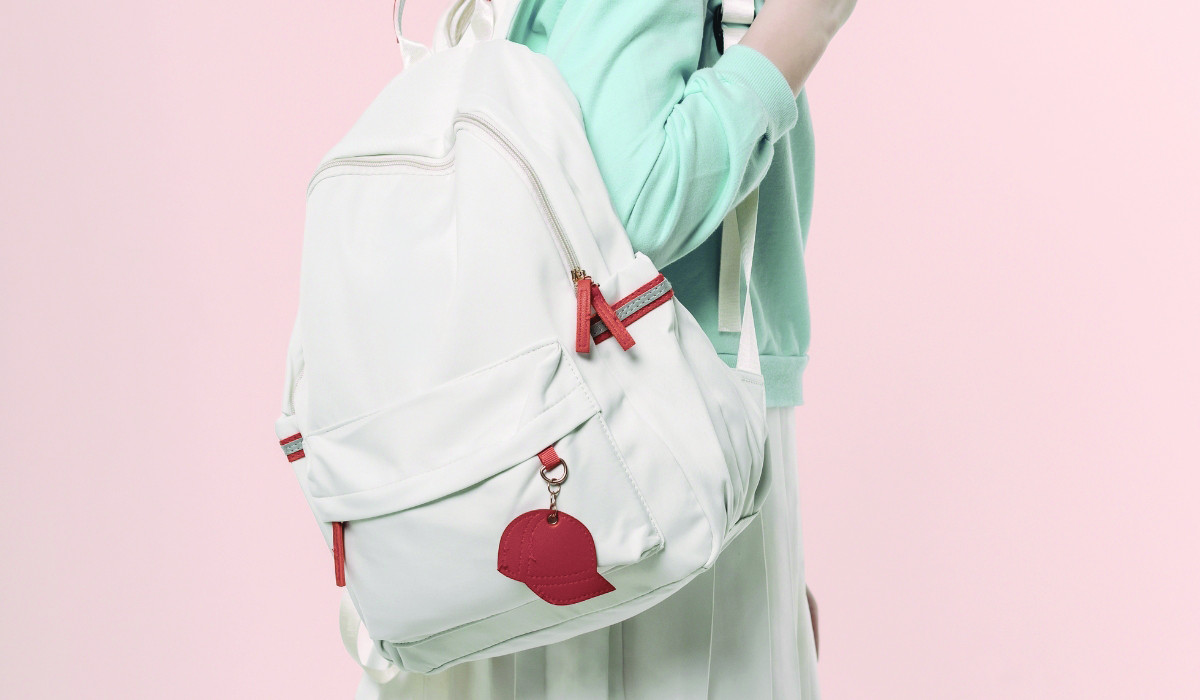
When shopping for back-to-school supplies, choose products that are free of PVC (polyvinyl chloride), phthalates, lead, synthetic plastic shells, and chlorine bleaching. Our favorite school supply swaps come as organic cotton canvas, food-grade stainless steel, recycled chipboard, and sugarcane-derived paper, and are certified by GOTS, Fair Trade Certified, FSC, and PCF.
Materials & Ingredients
PVC & Phthalates
Polyvinyl chloride (PVC), commonly known as vinyl, is widely used in school binders, backpack linings, lunch box interiors, and pencil pouches to make them water-resistant and shiny. However, PVC is often called the most environmentally damaging plastic because its production involves hazardous chemicals like chlorine gas and dioxins.
To make rigid PVC flexible, manufacturers add chemical plasticizers—most notably phthalates. Phthalates are known endocrine disruptors that can leach out of products over time. Exposure to phthalates has been linked to hormonal disruptions and developmental concerns in children. Opting for polypropylene (PP), organic cotton canvas, or uncoated natural fibers avoids these volatile additives entirely.
Lead & Synthetic Shells
Synthetic backpack fabrics and metal zippers can contain lead or heavy metal stabilizers used during dyeing and hardware treatment. Lead is a potent neurotoxin that presents severe risks to developing children, even at low levels.
Additionally, synthetic outer shells (like conventional polyester and nylon) shed microplastics during laundering and wear. Natural organic fibers or certified lead-free metal closures eliminate heavy metal exposure while preventing synthetic microplastics from entering waterways.
Chlorine Bleaching & Conventional Paper
Standard notebook and copy paper undergo industrial bleaching using chlorine compounds to achieve bright white pages. While the residual chemicals on finished paper pose minimal direct toxic risk to students, the upstream bleaching process releases organochlorines and dioxins into water systems near paper mills.
When evaluating paper, look at the processing standards hierarchy:
- Unbleached / Tree-Free: The highest standard. Skips chemical whitening entirely by using natural unbleached fibers or agricultural waste like sugarcane bagasse.
- TCF (Totally Chlorine Free) & PCF (Processed Chlorine Free): The gold standard for processed paper. TCF applies to virgin fiber bleached without chlorine compounds, while PCF applies the same strict standard to recycled fibers, ensuring zero new chlorine enters the supply chain.
- ECF (Elemental Chlorine Free): The baseline standard. While better than old-school elemental chlorine, ECF still relies on chlorine dioxide. It is essentially the "we followed the legal minimum" label rather than a step above and beyond.
To cut through mill self-reporting, look for independent verification from the Chlorine Free Products Association (CFPA), which certifies TCF and PCF claims.
Organic Cotton, Stainless Steel & Recycled Chipboard
Safer school supplies rely on inert, non-leaching materials:
- GOTS-Certified Organic Cotton: Grown without synthetic pesticides, herbicides, or toxic dyes, organic cotton canvas provides a durable, washable alternative for backpacks and pencil cases.
- 18/8 Food-Grade Stainless Steel: Stainless steel is non-porous, corrosion-resistant, and entirely free of plasticizers, bisphenols (BPA/BPS), and phthalates, making it ideal for direct food contact.
- Recycled Chipboard: Binders made from 100% post-consumer waste chipboard avoid plastic films altogether and remain fully recyclable at end-of-life.
Prioritizing Daily Exposure
Not every supply needs an immediate overhaul. Prioritize replacements based on daily contact duration and direct exposure routes:
- Lunch Boxes (Highest Priority): Direct, repeated contact with food. Plasticizers and synthetic linings can migrate into warm or acidic foods.
- Backpacks: Worn against the body for extended hours daily and handled constantly by hands.
- Pencil Cases: Frequent hand contact and elevated risk of chewing/oral contact among younger children.
- Binders (Lowest Priority): Intermittent touch points; simplest and most affordable category to swap over time.

GOTS is the gold standard of textile certifications (which is why we like to pronounce it GOAT-S). It requires that at least 70% of the materials in the product are organic and that the product complies with multiple environmental and social criteria along its entire supply chain. If you opt for sheets made with cotton, hemp, silk, or linen, definitely prioritize finding this label.

The Fair Trade certification works on the ground with suppliers to ensure that people making FTC products work in safe conditions, protect the environment, and earn additional money to empower their communities. This certification has intersectional impacts, including an emphasis on safe working conditions, environmental protection, sustainable livelihoods, and Community Development Funds. If you want to rest easier knowing your sheets aren’t causing undue harm in their supply chain, get ones that are Fair Trade Certified.

The Forest Stewardship Council (FSC) certification ensures products come from responsibly managed forests that provide environmental, social, and economic benefits. FSC has close to 50 forest management standards that apply in over 85 countries, so if you want to ensure that you’re purchasing toilet paper from responsibly managed forests, make sure it bears the FSC label.
.jpg)
ECF means chlorine dioxide was used instead of elemental chlorine gas. While it meets basic legal industry standards and reduces direct toxic runoff, it still relies on chlorine chemistry. Think of ECF as the baseline regulatory floor rather than a clean, above-and-beyond standard.
TCF verifies that virgin tree fibers were bleached using oxygen, ozone, or hydrogen peroxide instead of any chlorine chemicals. Prioritize products certified by the Chlorine Free Products Association (CFPA) to ensure independent third-party verification.
.png)
PCF is the gold standard for recycled paper products. It guarantees that no new chlorine or chlorine derivatives were used during the re-pulping and recycling process, preventing new dioxin pollution while reusing post-consumer fibers. Look for the official CFPA certification logo.
Join today to get access to product recommendations,
unlimited articles, and exclusive weekly content.
(16% discount)
Already a member? Log in.
Choose Wisely with Finch
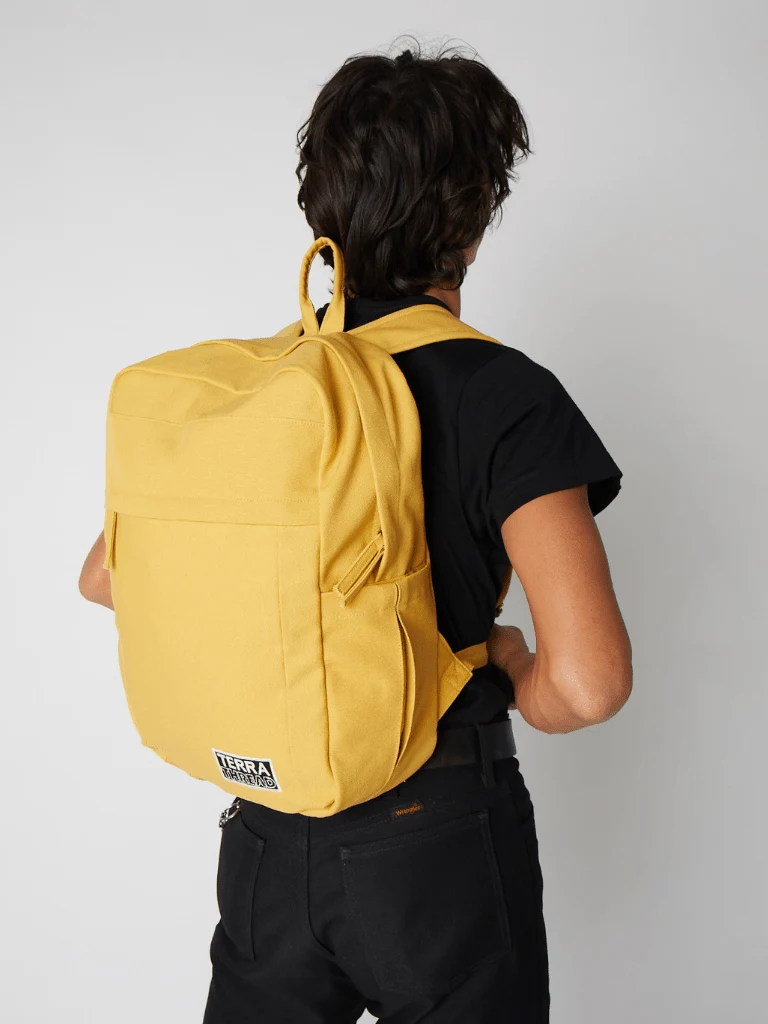
Organic Cotton Canvas Everyday Backpack
GOTS-certified organic cotton canvas, lead-free metal zippers, made in a Fair Trade Certified factory. Scales from elementary through college. No PVC, no synthetic shell, no microplastic shedding in the wash. Comes in 15+ colors. A portion of proceeds goes to Feeding America.
.svg)
.svg)
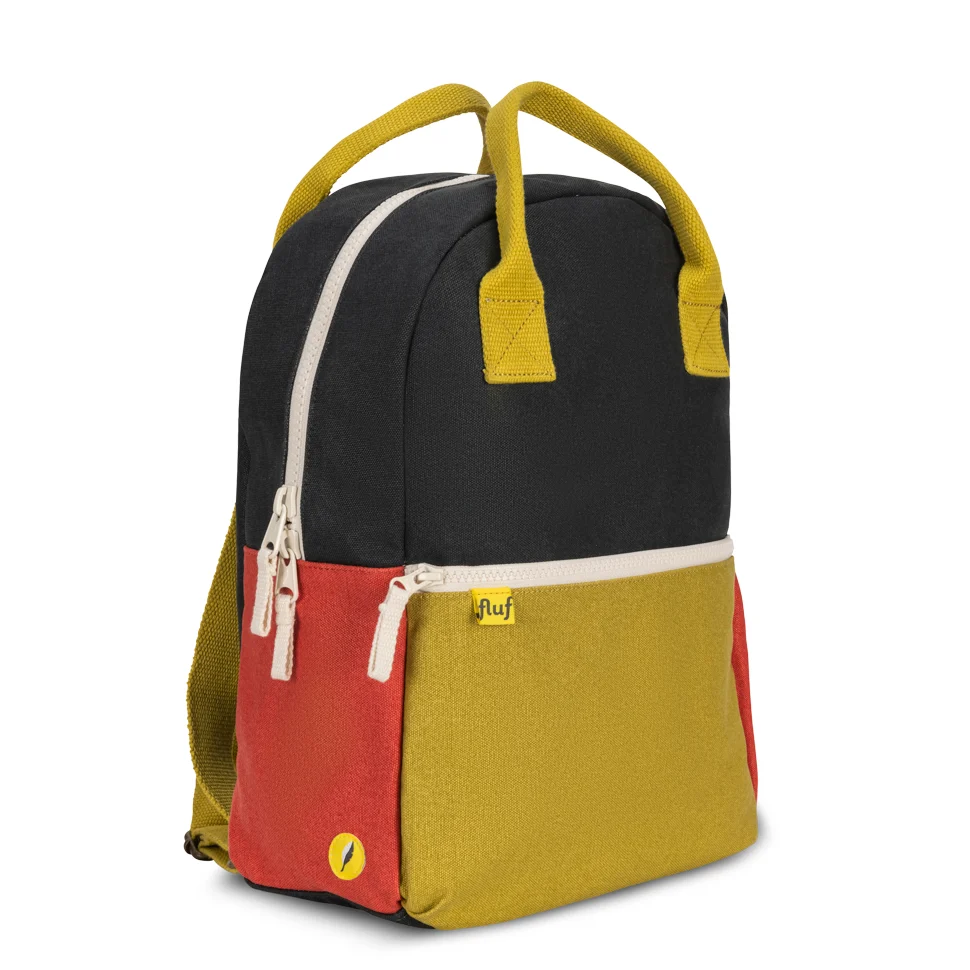
B Pack Jr.
A machine-washable cotton canvas build cushioned with recycled felt padding instead of synthetic foam. Cute, casual, and absurdly easy to throw in the wash when juice boxes inevitably leak.
.svg)

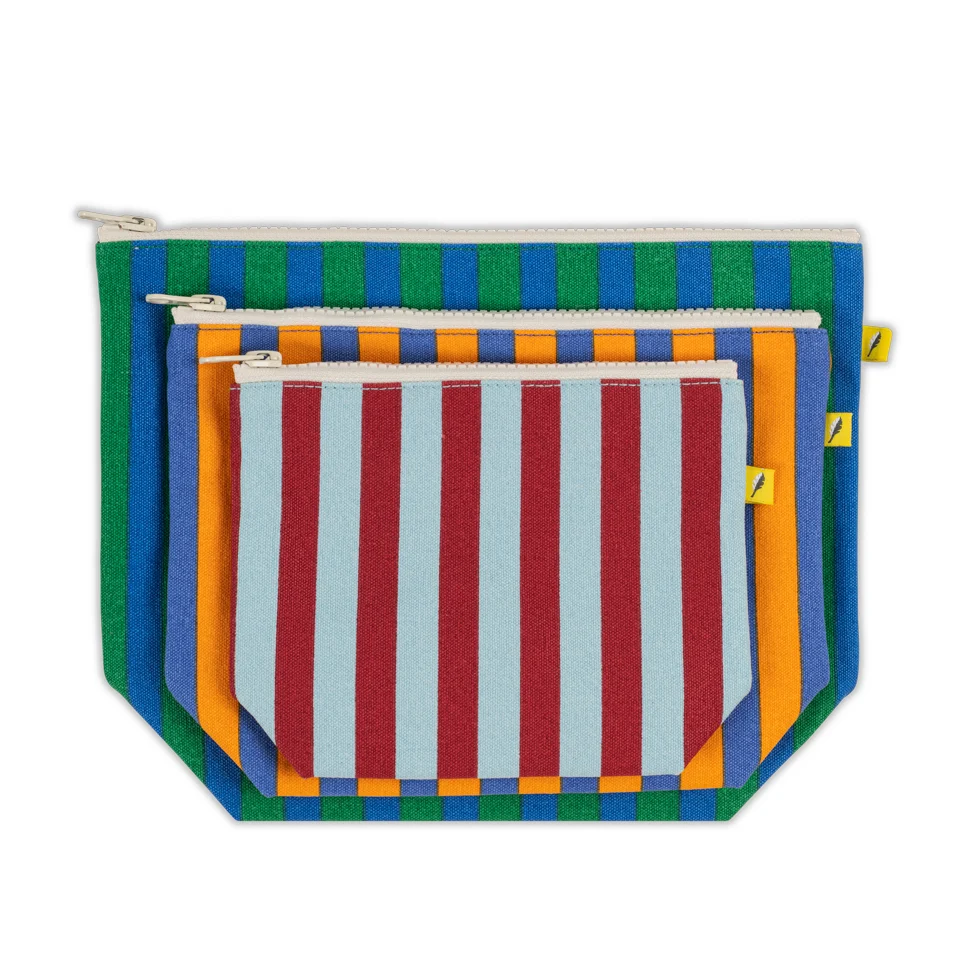
Canvas Pencil Pouches
Made with heavy-duty GOTS-certified organic cotton, lead-free brass zippers, and a wipeable recycled water-resistant lining. Tested against strict EU chemical safety standards, they skip PVC, phthalates, and PFAS completely—and toss easily into the wash when pens leak.
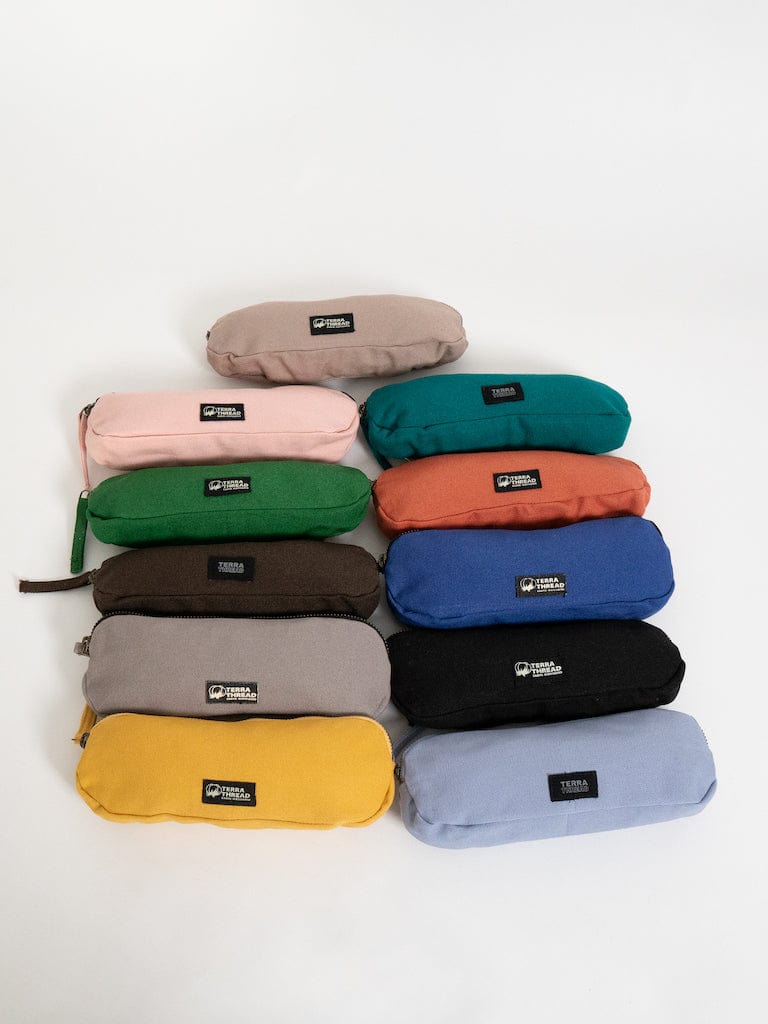
Batai Organic Cotton Pencil Bag
Ditch the shiny vinyl exterior for sturdy organic cotton canvas and a lead-free zipper. Small enough for a backpack pocket, but sturdy enough to double as a makeup bag long after graduation. Machine washable! 🙌
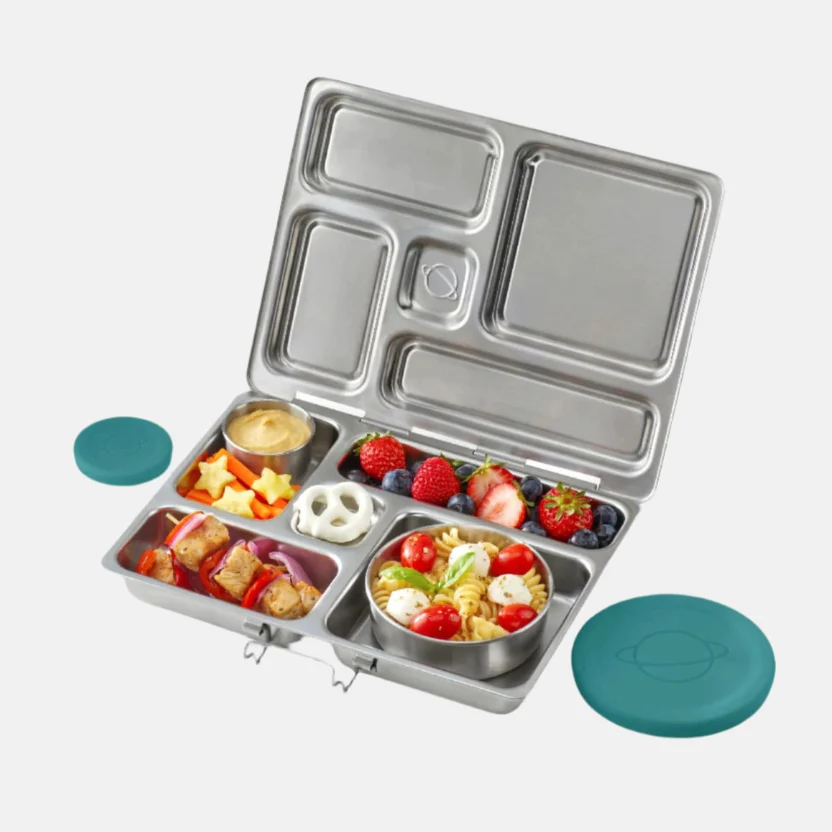
Stainless Steel Lunch Box Set
The ultimate bento kit for picky eaters, featuring 46% recycled stainless steel and leakproof dipper cups for sauces. You can even customize it with matching magnet sets.
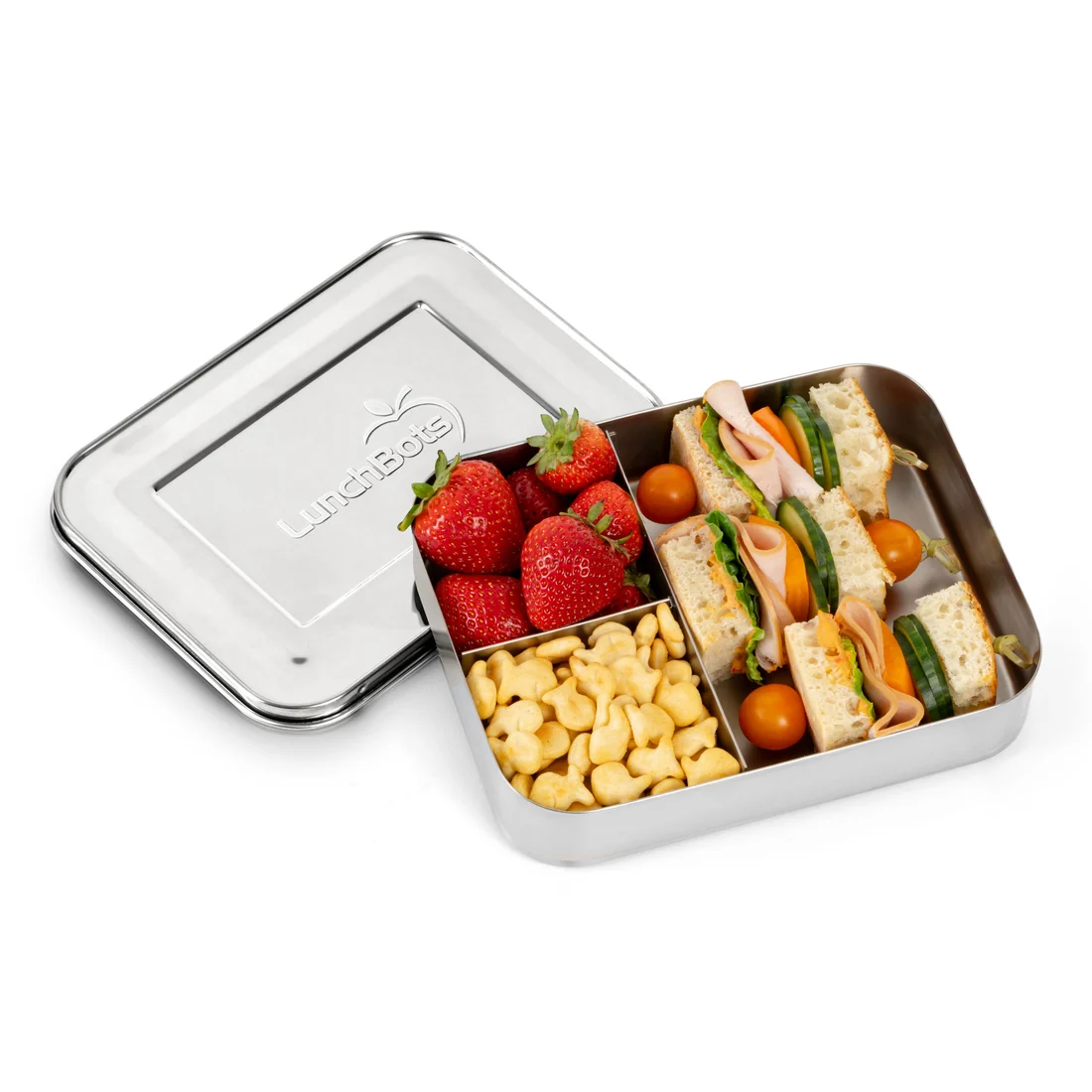
Stainless Steel Bento Box
Three compartments made from 18/8 food-grade stainless steel mean zero plastic ever touches your kid's food. Indestructible and dishwasher-safe.
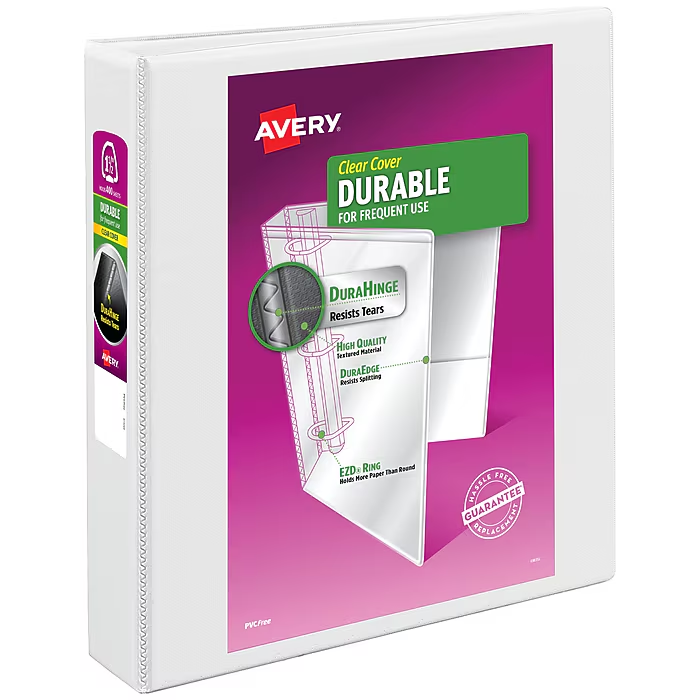
PVC-free 3-ring Binder
Made with polypropylene film rather than off-gassing vinyl. Just double-check the box or label for the "PVC-Free" callout before tossing it in your cart.
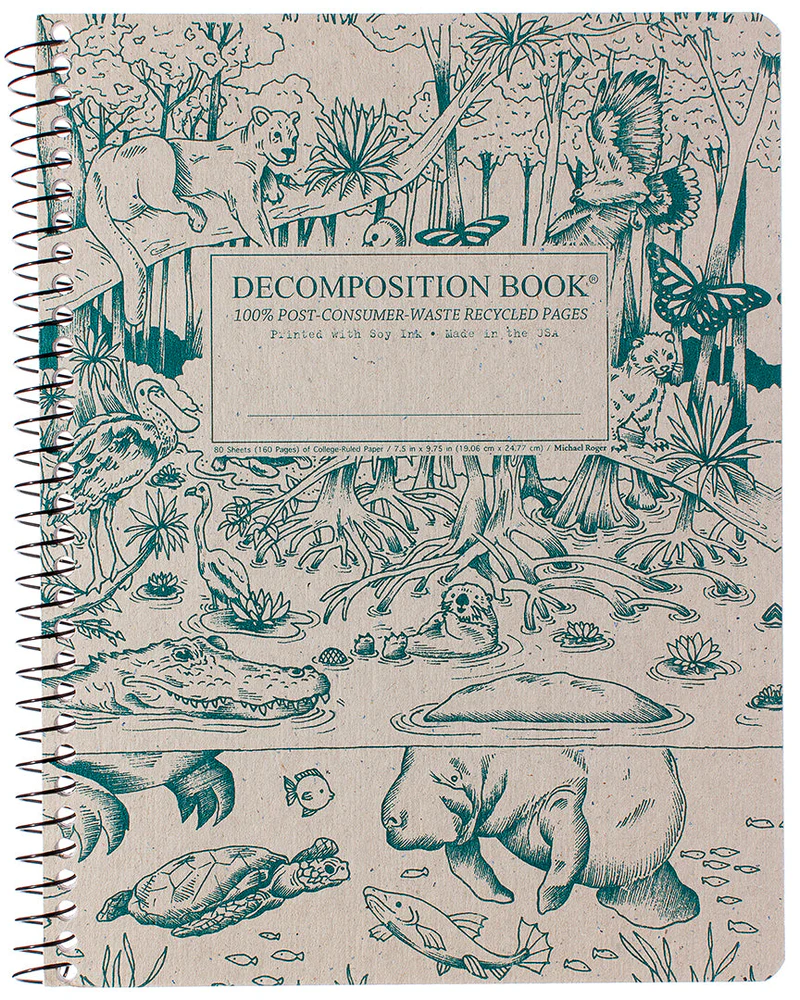
Everglades College Ruled Notebook
A school-list staple printed in the USA using 100% post-consumer waste recycled paper and non-toxic soy inks. Zero virgin trees cut down and zero synthetic coatings on the covers.
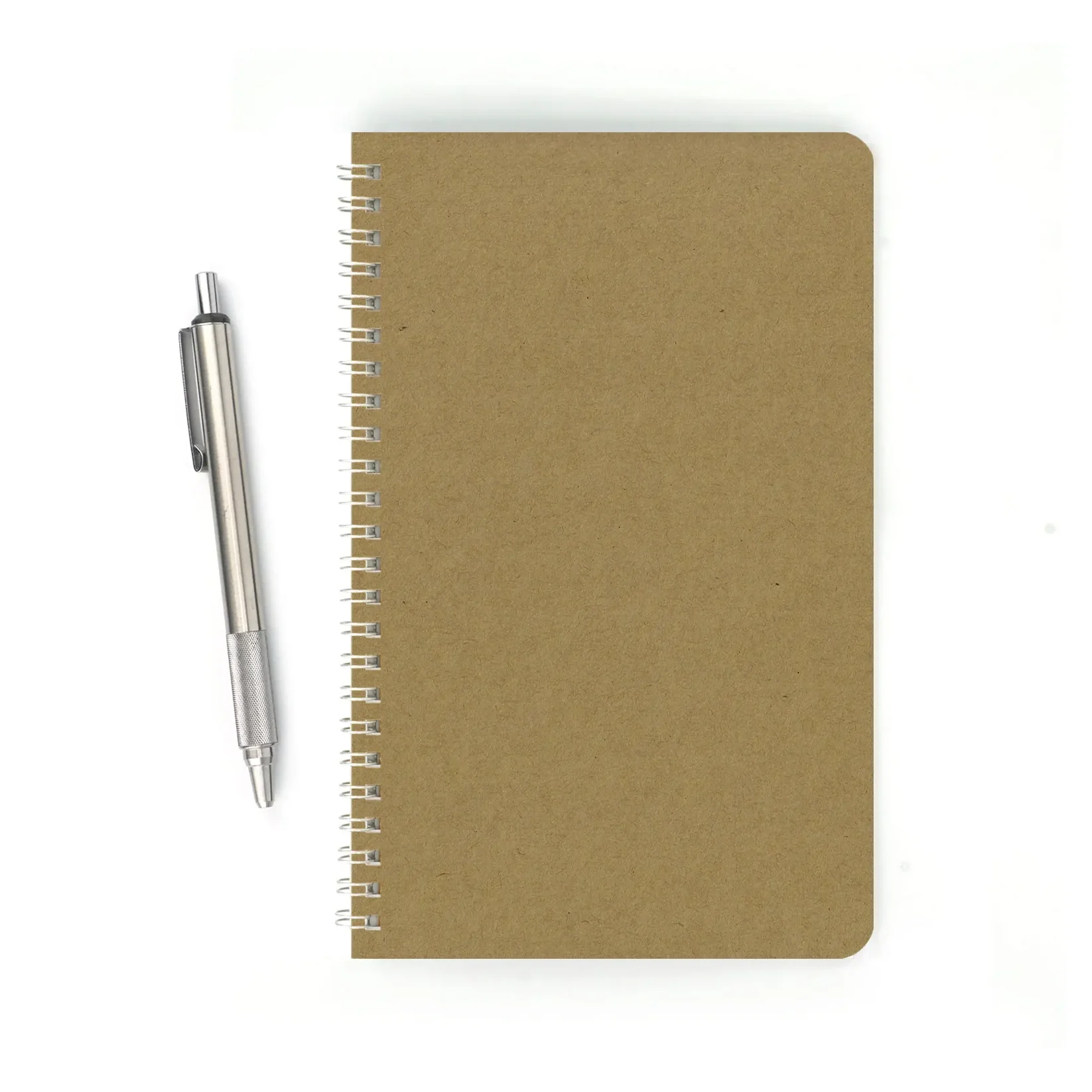
The Classic Wire-Bound Notebook
Made in Grand Haven, Michigan, this minimalist notebook features a 100% recycled chipboard/kraft cover paired with FSC-certified or 100% recycled interior paper. Fully recyclable at the end of its life!
Learn more about our sources and methodology
LEARN MORE