


The Truth About Indoor Air Quality: What’s Really in Your Home Air (and How to Fix It)


Sometimes I think about the not-so-distant past when people could freely smoke on airplanes. I can't imagine anything better than flying home on a turbulent enclosed capsule next to a woman named Magda chain smoking cigarettes. Ahh, the good old days. The only positive aspect of this little sliver of history is that it gave us the iconic Mrs. Doubtfire scene where Robin Williams sprints between the smoking and non-smoking sections of Bridges Restaurant.
Even though those days are behind us, indoor air pollution is still one of the top 5 environmental risks to public health. The air inside our homes isn't always the safe bubble we like to imagine. Given we spend around 90% of our time indoors, this matters—a lot.No need to panic. This is about small, meaningful steps you can take today to literally breathe a little easier. We're breaking down what's floating around your house, how to test it, and what you can do to fix it without remortgaging your home for an air purifier that looks like Elon Musk designed it.
What's Actually In Your Air?
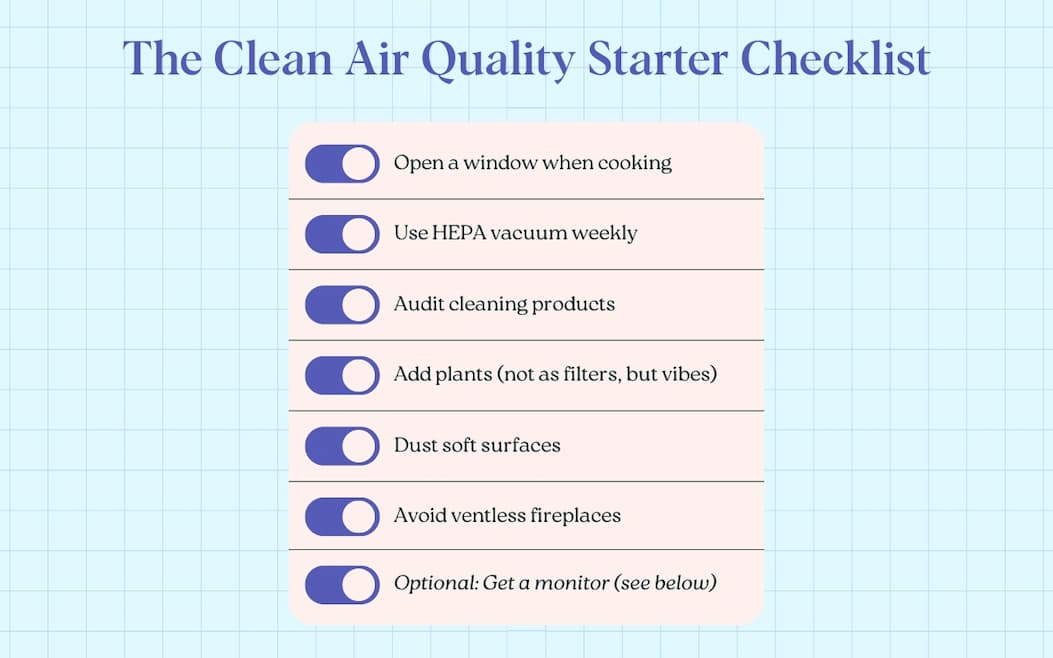
Total Volatile Organic Compounds (TVOCs) come from cleaning products, paint, furniture, and even some candles that smell like a Christmas tree farm. Other culprits lurking in your living room:
- Particulate matter (PM2.5): Tiny particles from cooking, smoking, or your neighbor's leaf blower.
- Formaldehyde: Yes, the same stuff from your high school bio lab. It's found in pressed wood, flooring, and glues.
- Carbon monoxide & nitrogen dioxide: From gas stoves or heaters without proper ventilation.
- Mold spores: Cute in a science fair project, less cute in your bathroom grout.
You don't need to rush out for a fancy monitor to know when your air needs a facelift. Here are some simple checks you can run now:
- Stove and Oven Venting: If your range hood vents back into your kitchen, it's basically putting a screen door on a submarine. Try cooking with a window open and a fan going.
- Cleaning Product Inventory: That lemon-fresh cleaner is likely masking a chemistry experiment. Check out our guides for the best cleaning products.
- Plants! While plants don't replace a HEPA filter, varieties like peace lilies, snake plants, and pothos can help regulate humidity and boost your mental health.
- Dust: It carries allergens, chemicals and flame retardants. Vacuum with a HEPA filter, and don't forget soft surfaces like curtains and couches.
If you're ready to level up, there are home monitors that measure VOCs, CO2, humidity, and PM2.5. While not necessary, they're helpful if you have asthma, allergies, live next to a freeway, or just want to brag to your buddies about how much data you have.
We love:
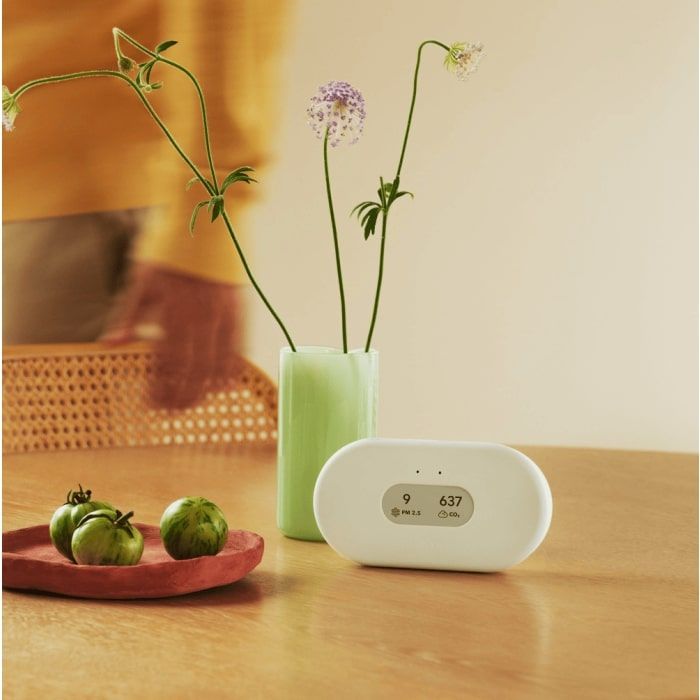
Comprehensive and user-friendly, measuring all seven air quality factors with both visual and app-based displays.
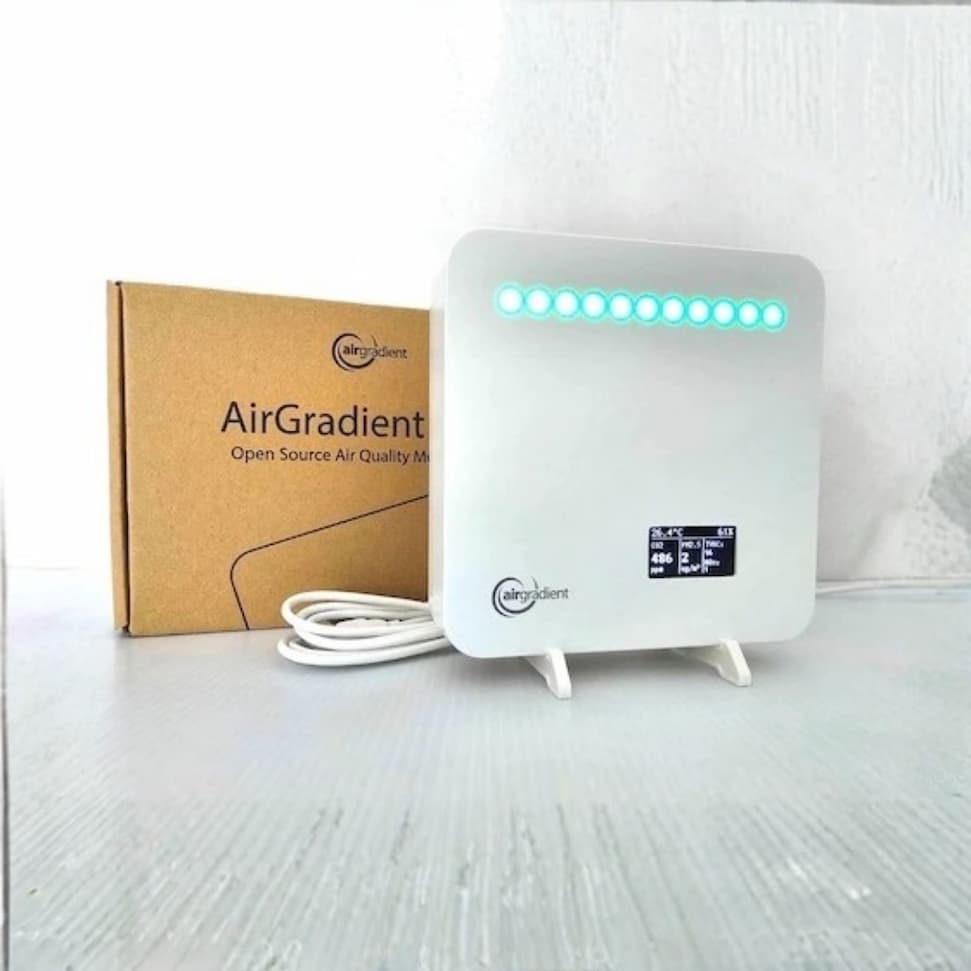
Has an easy-to-read physical display and can track and correct air quality concerns.
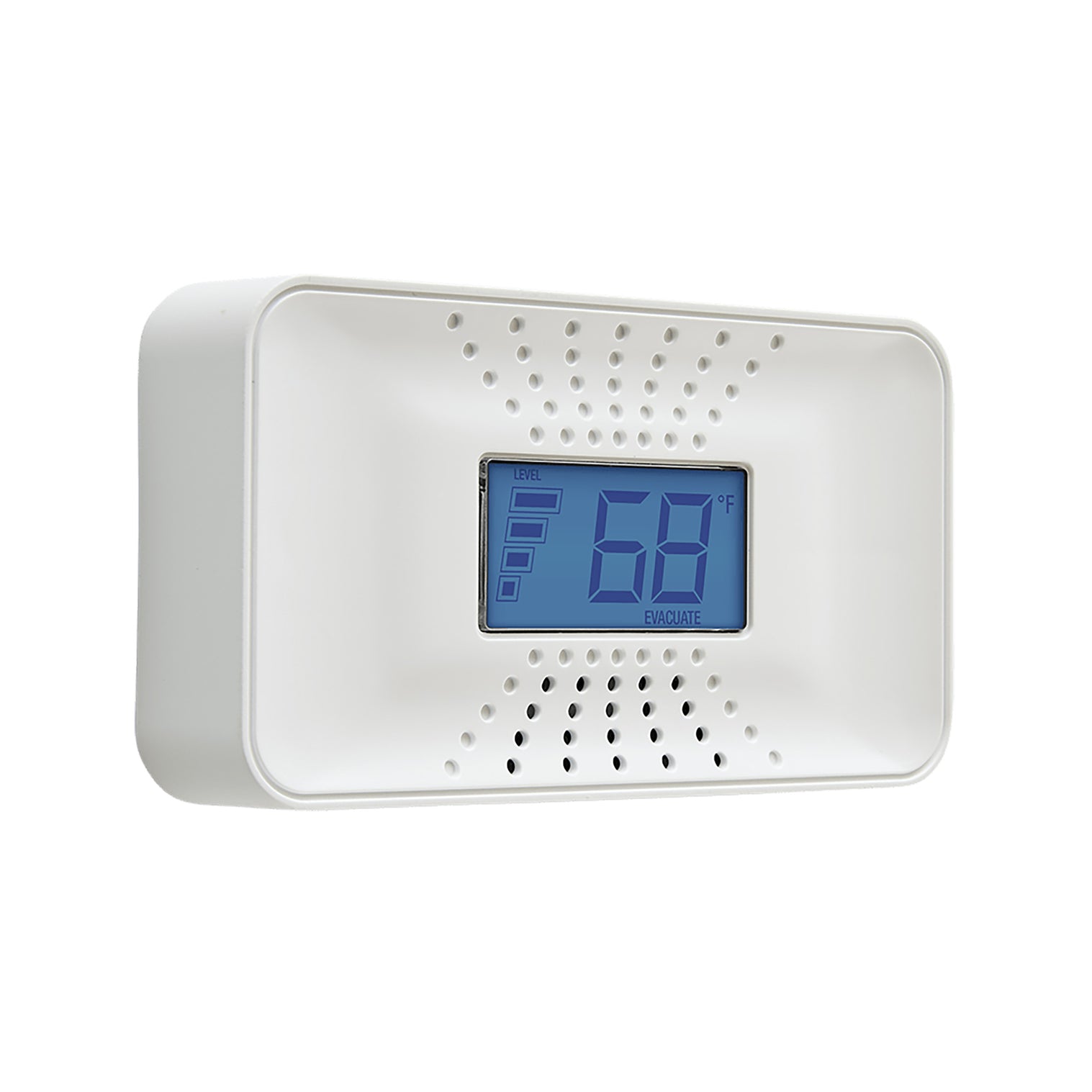
We travel with this Carbon Monoxide detector. Highly recommend for house rentals or hotels.
If you're looking to purify the air in your house, these are our favorite air purifiers:
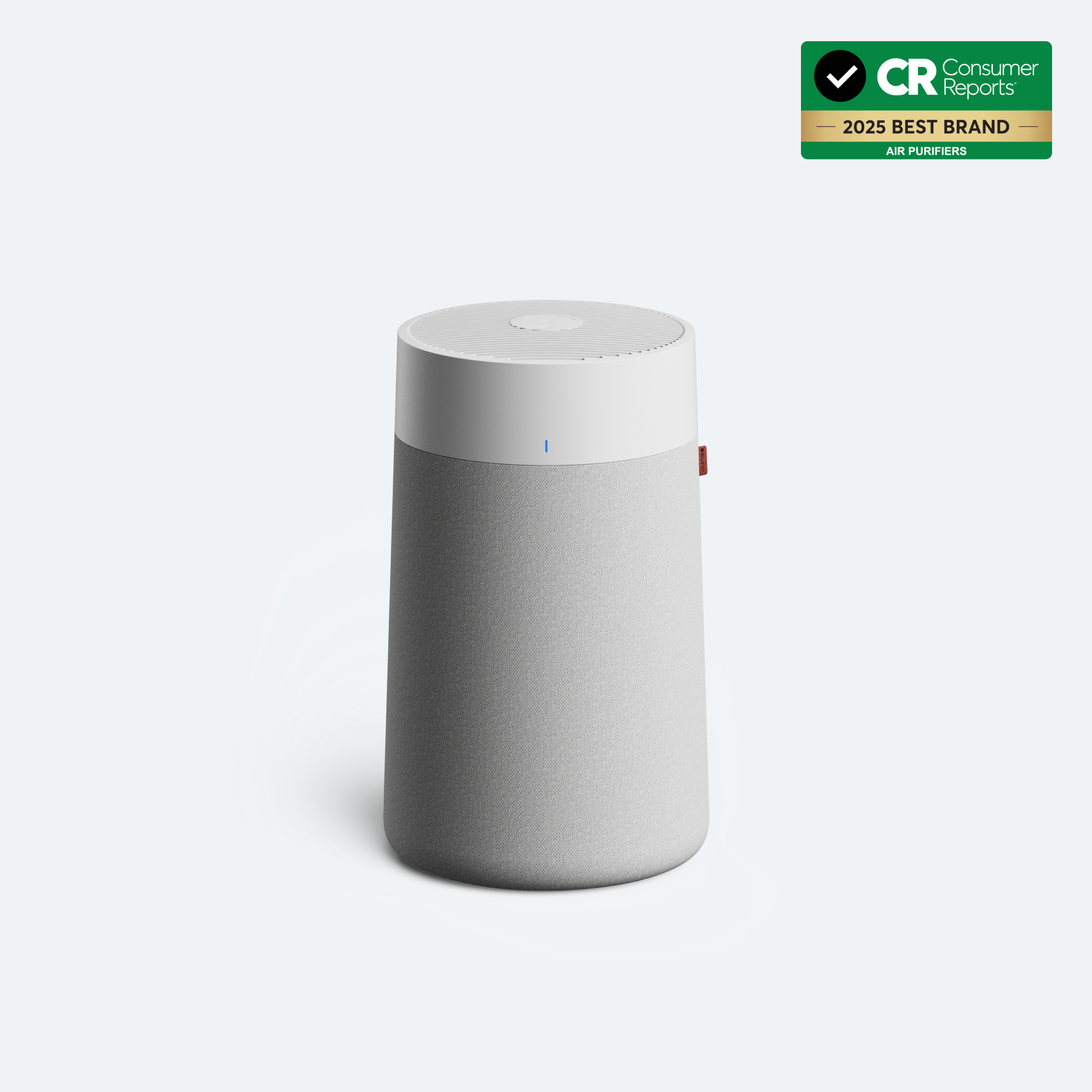
Great color options and quiet operation—this is what we have in our house.
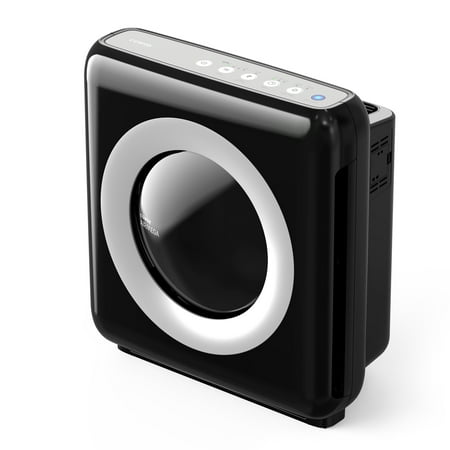
Perfect for bedrooms, playrooms and living rooms. High-performing and durable.
Poor indoor quality has been linked to everything from cognitive decline to respiratory issues to just feeling like garbage after a day of working from home. With climate change only making things worse, air quality matters. Clean air isn’t a luxury, it’s a basic human right. The best part is that you don’t need to spend thousands to make your home healthier.
Subscribe now to continue reading.
(16% discount)
• Access to unlimited articles
• Sustainable product guides & recommendations
• Weekly newsletters
Already a member? Log in.