

A Look Back On Environmental History


When Nature Fought Back
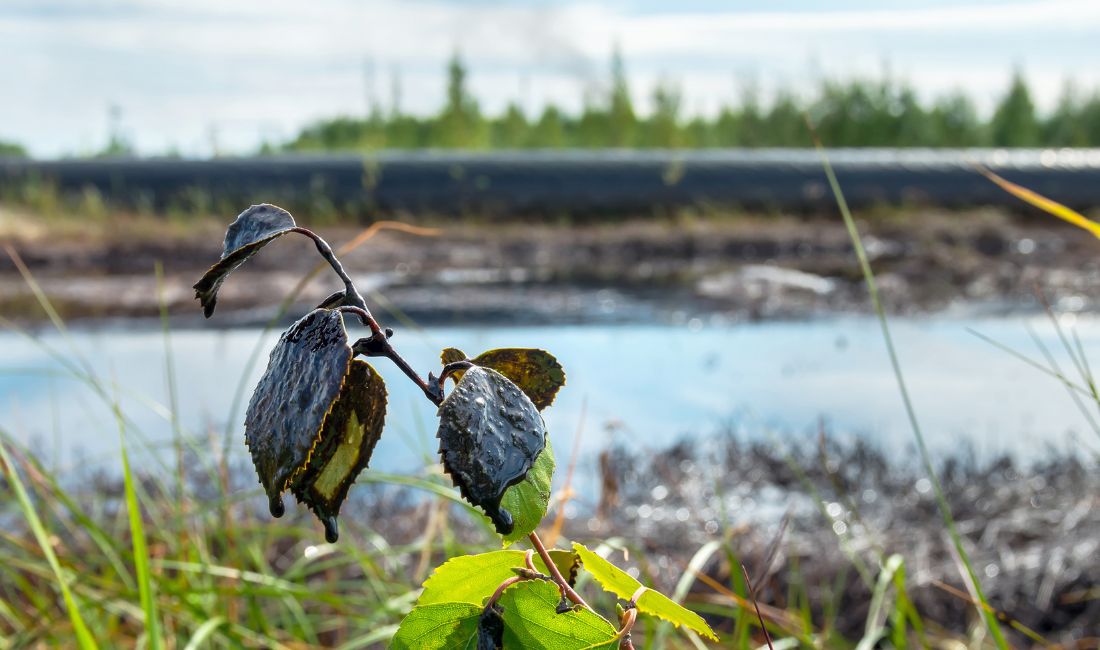
For most of American history, we treated the environment like an endless resource with an infinite capacity to absorb our waste. Factories dumped chemicals directly into waterways, smokestacks belched unfiltered pollution, and pesticides were sprayed with abandon.
This all started to change in the 1960s and early 70s when the consequences became impossible to ignore. Three pivotal moments stand out:
Silent Spring Makes Noise
When I was at NRDC (my first job out of college), Rachel Carson's name was spoken with the reverence usually reserved for rockstars. In 1962, this marine biologist published "Silent Spring," meticulously documenting how DDT was poisoning wildlife and entering the food chain.
The title refers to a future where birds no longer sing in the spring because they've all been killed by pesticides - a haunting image that captured public imagination. Carson wasn't just a scientist; she was a brilliant storyteller who made invisible threats visible.
Chemical companies launched vicious attacks on her credibility (sound familiar?), but the evidence was too compelling to dismiss. Within a decade, DDT was banned in the United States, and we had a new understanding of how chemicals move through ecosystems and into our bodies.
A River Becomes a Torch
If you've ever needed another reason for why Cleveland is so special, this might give you a hint. In June of 1969, the Cuyahoga River in Cleveland caught fire. Yes, you read that right - a RIVER CAUGHT FIRE. The waterway was so polluted with oil and industrial waste that it literally ignited.
Here’s the craziest part: this wasn't even the first time. The Cuyahoga had burst into flames at least a dozen times before, dating back to 1868. But this particular fire happened at the right moment, when environmental awareness was growing, and it became a powerful symbol of how badly we'd damaged our natural resources.
TIME magazine featured the burning river, and while they actually used a photo from a much bigger 1952 fire (fact check your sources, people!), the image of flames on water shocked the nation. The Cuyahoga became shorthand for environmental disaster and a rallying cry for change.
The Santa Barbara Oil Blowout
Just months before the Cuyahoga fire, in January 1969, an oil well platform off the coast of Santa Barbara, California, experienced a blowout. Over several days, between 80,000 and 100,000 barrels of crude oil spilled into the channel and onto beaches.
The images were devastating: oil-soaked birds, fouled beaches, and marine mammals struggling to survive. This disaster unfolded in one of America's most beautiful coastal areas, right in front of affluent communities with political influence. It was a perfect storm that helped catalyze the modern environmental movement.
Birth of the EPA: When America Decided Clean Air and Water Might Actually Matter
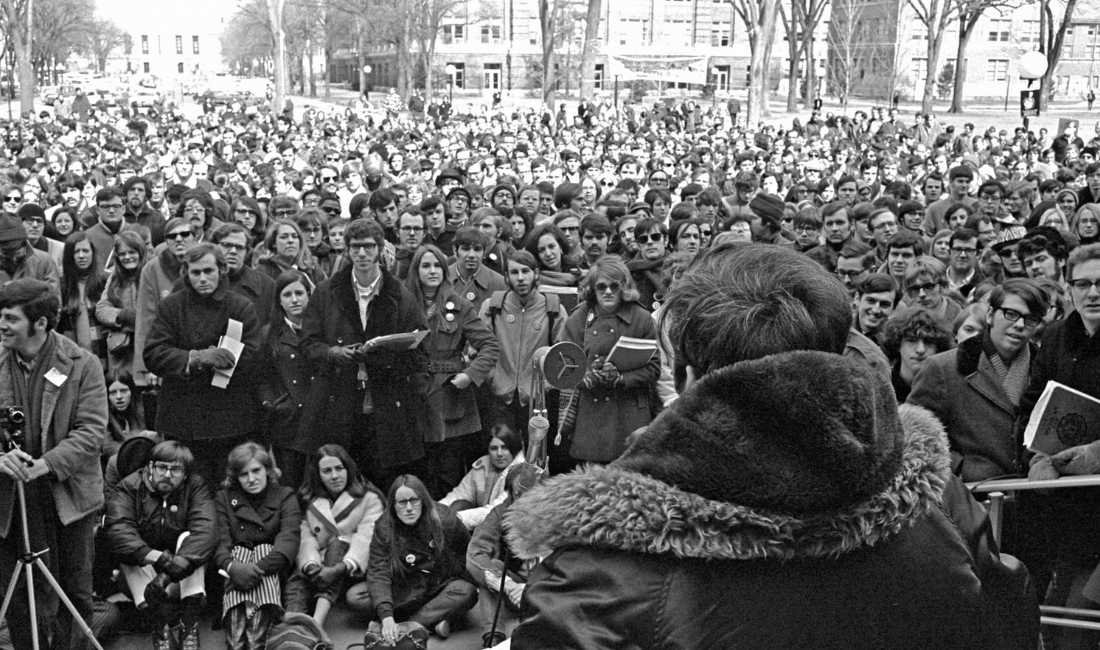
These disasters created unstoppable momentum. Exactly 55 years ago TODAY, on April 22, 1970, 20 million Americans (about 10% of the population at that time!) participated in the first Earth Day - a massive demonstration that remains the largest single-day protest in human history.
The political pressure was overwhelming, and even politicians who weren't exactly tree-huggers had to respond. Enter Republican President Richard Nixon, who, despite not being known as an environmental champion, recognized which way the wind was blowing.
In December 1970, Nixon established the Environmental Protection Agency (EPA) through an executive order, consolidating federal research, monitoring, and enforcement activities into a single agency with the mission to protect human health and the environment.
Around the same time, Congress passed a series of landmark environmental laws that still form the backbone of environmental protection today:
- Clean Air Act (1970): Set national air quality standards and regulations for pollutants
- Clean Water Act (1972): Established the basic structure for regulating pollutant discharges into U.S. waters
- Endangered Species Act (1973): Protected threatened and endangered species and their habitats
- Safe Drinking Water Act (1974): Ensured the quality of drinking water
- Resource Conservation and Recovery Act (1976): Created the framework for hazardous waste management
- Toxic Substances Control Act (1976): Provided EPA authority to regulate chemicals
Think about that timeline for a second. In just six years, America created a comprehensive framework for environmental protection that fundamentally changed how we interact with the natural world. The speed and scope of this transformation is honestly breathtaking. Change can happen FAST, both when we decide something matters but also, sadly, when the country deprioritizes something (like…now).
The Golden Age of Environmental Progress
The impacts of these new laws were dramatic and immediate:
The Cuyahoga? It's now home to more than 60 species of fish. People kayak on it. WILLINGLY.
DDT's ban allowed bald eagle populations to recover from the brink of extinction.Lead was removed from gasoline, resulting in a 90% decrease in blood lead levels in American children.
Acid rain was dramatically reduced through amendments to the Clean Air Act. Visible smog in cities like Los Angeles drastically decreased.
Looking at before-and-after photos from this era feels like comparing different centuries, not decades. The transformation was that dramatic.
As with any social change, the pendulum has swung in many different directions, while Reagan rolled back significant regulations, Clinton strengthened them, and on and on we go.
Stop Signs and Red Lights
Dan Esty, a professor at Yale in both the Environment and Law schools, has written extensively about the transformation of environmental policy from government-centered regulations to business innovation and sustainability strategies. In his work, he describes how environmental law and policy primarily focused on “command and control” and a world of “stop signs and red lights” for polluters, which actually created a culture in which businesses were simply complying with the government and failed to signal what society needs businesses to actually do in terms of solving climate change and other environmental problems. If we can find one silver lining out of the intense environmental rollbacks happening in government, it’s that businesses now are thinking more about how making more sustainability-minded decisions and innovating in that space can be a competitive advantage as opposed to simply complying with the law.
Environmental progress today is still incredibly bipartisan - and Democrats are not free of fault here, but I look forward to the day when human beings realize that having clean air and water is good for everyone and not just something that benefits liberals.
Subscribe now to continue reading.
(16% discount)
• Access to unlimited articles
• Sustainable product guides & recommendations
• Weekly newsletters
Already a member? Log in.