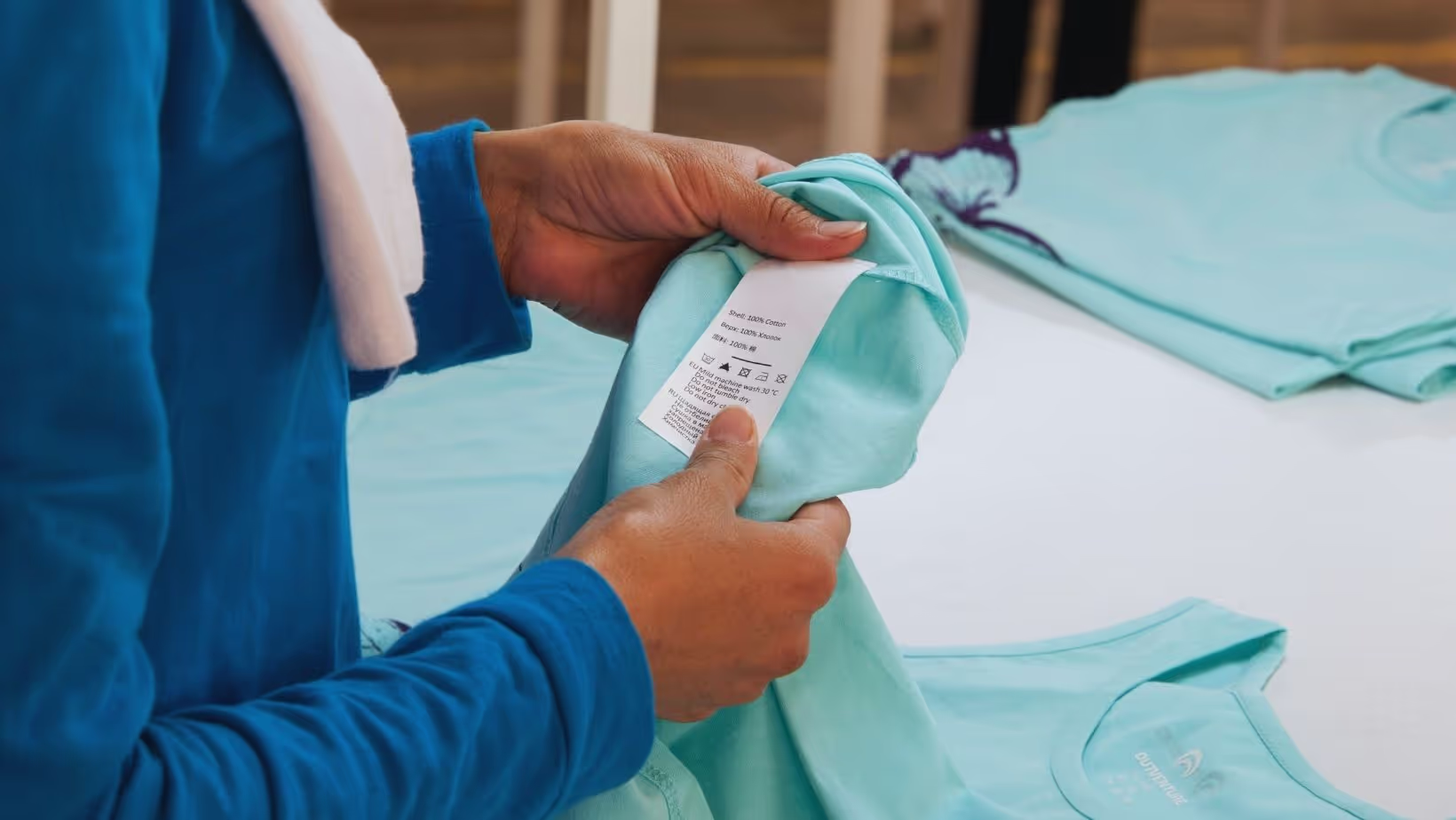


Why Fast Fashion Needs a Slowdown


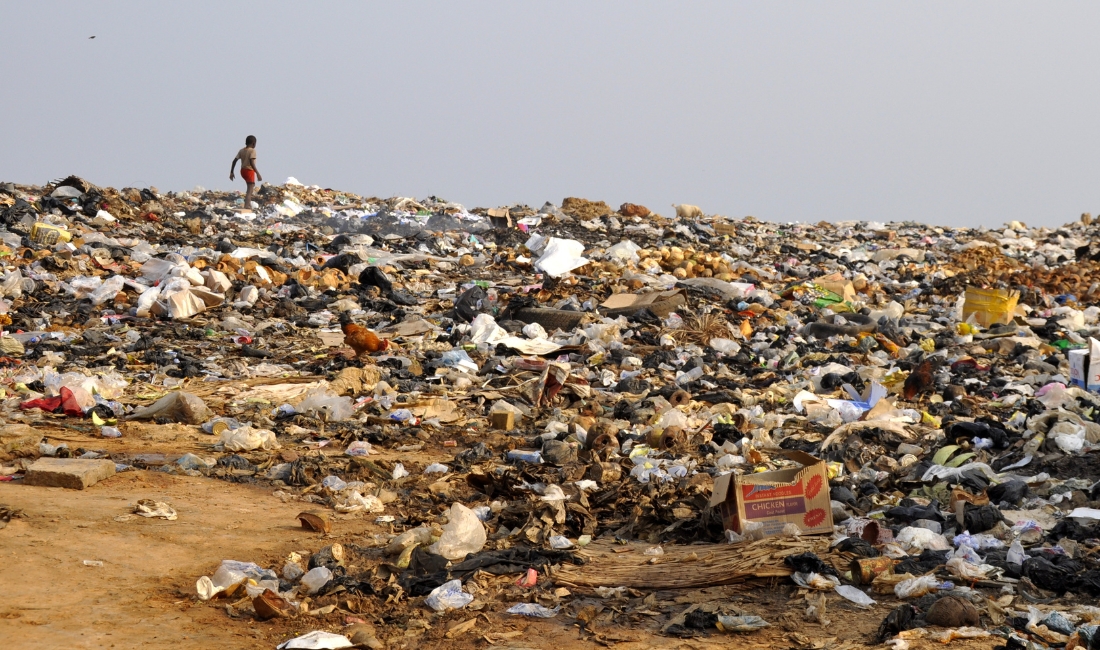
Meanwhile, Ghana's own textile industry has been decimated by this influx of cheap western clothing - employment in Ghana's textile sector has dropped by 80% since 1975. So your well-intentioned donation might not only be creating an environmental nightmare, but it's also undermining local economies and traditional crafts in the process. Yikes.
Fast fashion's environmental impact extends far beyond what we can see in our own closets, and the "out of sight, out of mind" approach isn't working anymore.
If you’re thinking, “this sermon seems a little holier than thou - what if I can’t afford Theory t-shirts and La Ligne sweaters that last decades?” I hear you, but I always push people to ask themselves when buying “cheaper” clothing - cheaper for whom? The (mostly) women working in a textile factory can be extremely hazardous due to poor working conditions, lack of safety regulations, and pressure to meet high production demands. Workers are often exposed to harmful chemicals used in dyeing and treating fabrics, which can lead to respiratory issues and long-term health conditions. Check out just one example of what can happen here.
What Can I Do?
I thought you’d never ask. While this isn’t easy, here are some (non-exhaustive) solutions for both disposing of old clothes and being more mindful about growing your wardrobe:
- Check out Rent The Runway or Nuuly for rentals - there’s usually an option to purchase if you really love the product, but these are great options for events, pregnancy, or simply trying out new brands.
- Textile Recycling Programs - some brands and cities offer textile recycling where clothes too worn for donation can be reused for a bunch of different purposes…just type your city into the Google machine and it will do wonders. I personally love Trashie.
- Sell them - if you have items that are lightly used and in great shape, you can always sell on platforms like Poshmark, ThreadUp, or even Facebook Marketplace.
These Brands Are Turning the Fashion Industry Inside Out
Not all is lost in the world of fashion. Some brands are genuinely trying to disrupt the industry instead of just slapping "sustainable" on their labels and calling it a day.
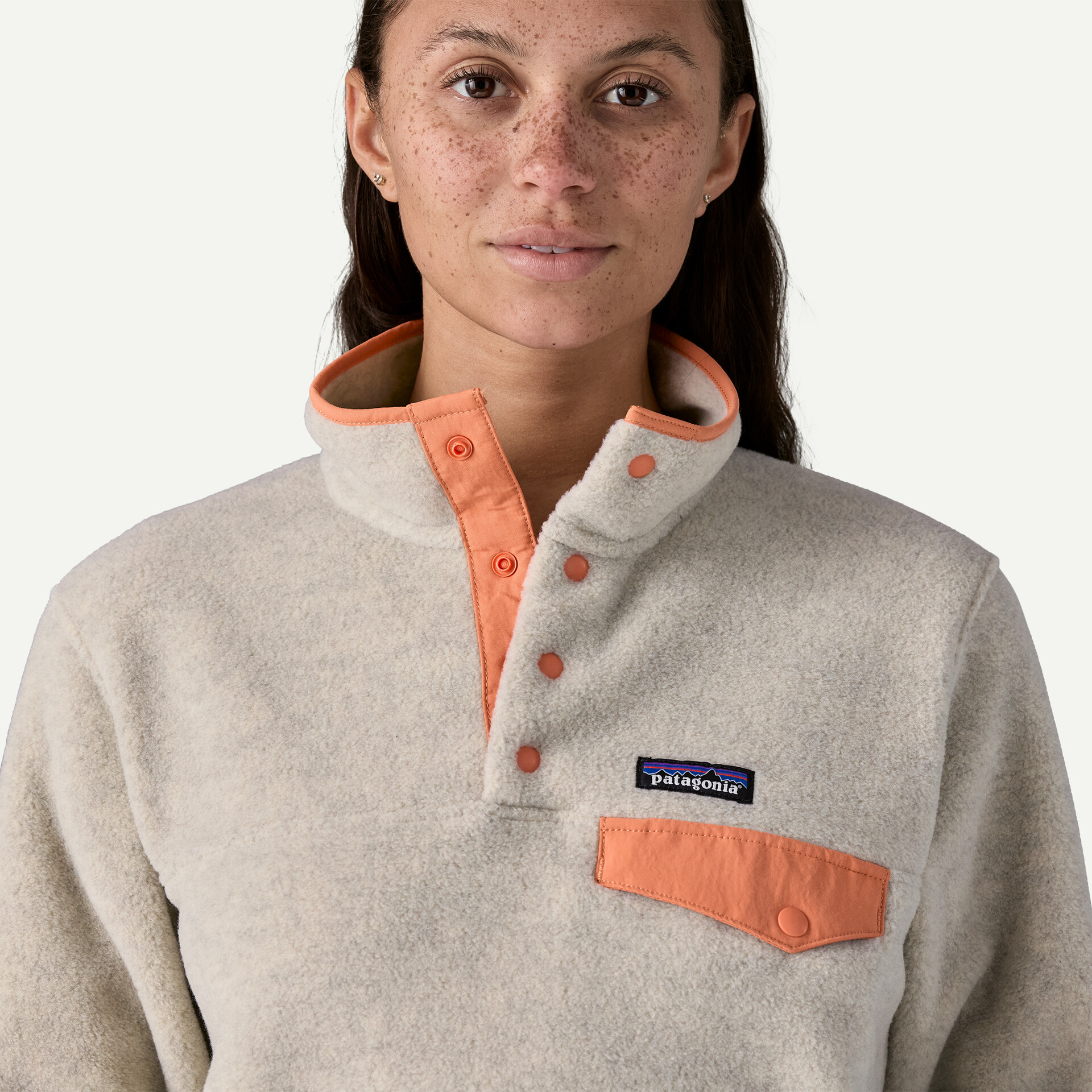
Patagonia: Ever heard of it? The OG of sustainable fashion has been walking the walk for decades. Beyond making durable products with recycled materials, they actively discourage unnecessary purchases (remember their "Don't Buy This Jacket" campaign?) and offer repair services to extend product life. In 2022, founder Yvon Chouinard transferred ownership of the entire company to a trust and nonprofit dedicated to fighting climate change. Now THAT'S putting your money where your mouth is.

Reformation: While their prices aren't exactly Forever 21 level (but that's kind of the point), they're transparent about their supply chain and environmental impact. They publish quarterly sustainability reports that detail everything from water usage to carbon emissions. Their factories in Los Angeles pay living wages, and they're working toward becoming climate positive by 2025.
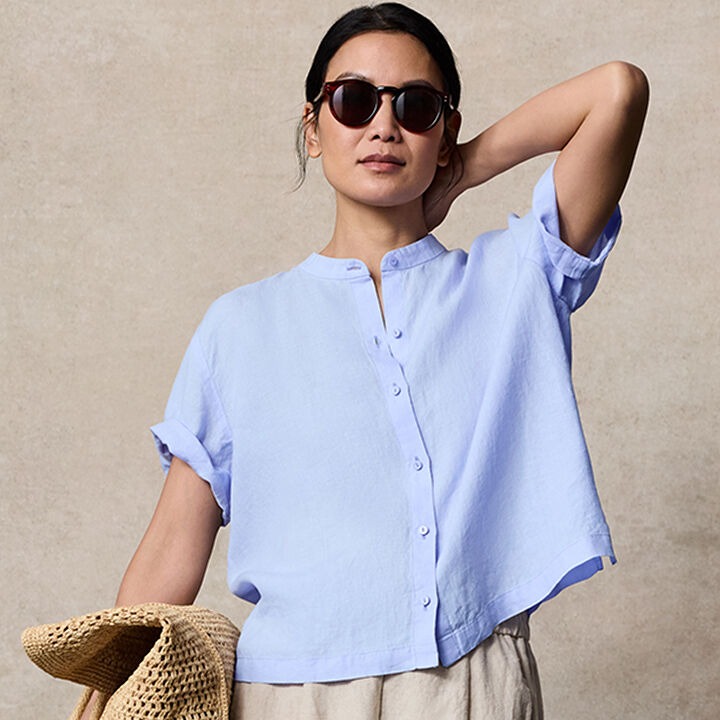
Eileen Fisher: They've been pioneering sustainable fashion since 1997 and have taken back over 1.7 million garments through their Renew program, which either resells, reuses, or recycles old Eileen Fisher clothing. This kind of closed-loop system is exactly what we need more of.
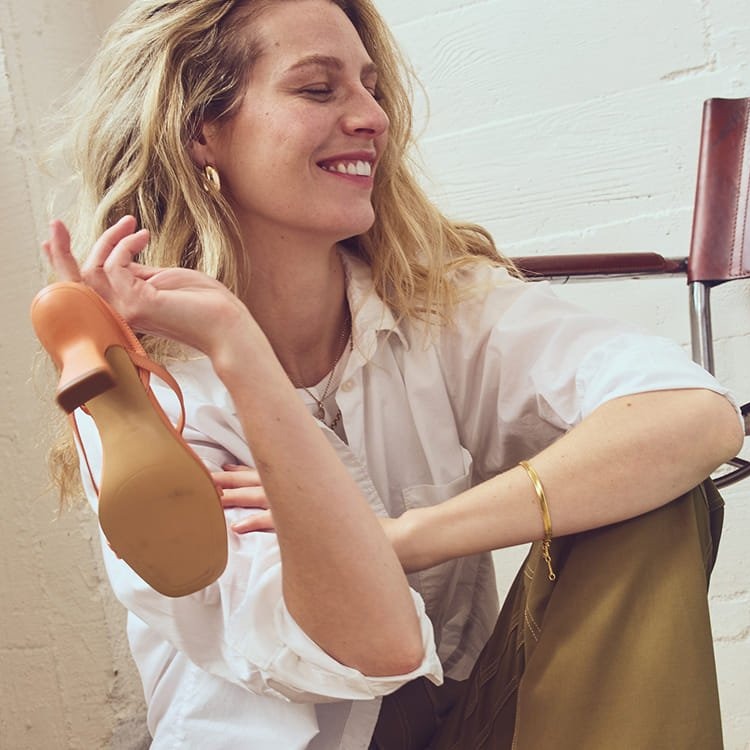
ThredUP: Deserves another shout-out. As the largest online thrift store, they're making secondhand shopping mainstream. By extending the life of clothing through resale, they've helped displace over 1 billion pounds of carbon emissions. Their annual Resale Report has become the industry standard for data on the secondhand clothing market.
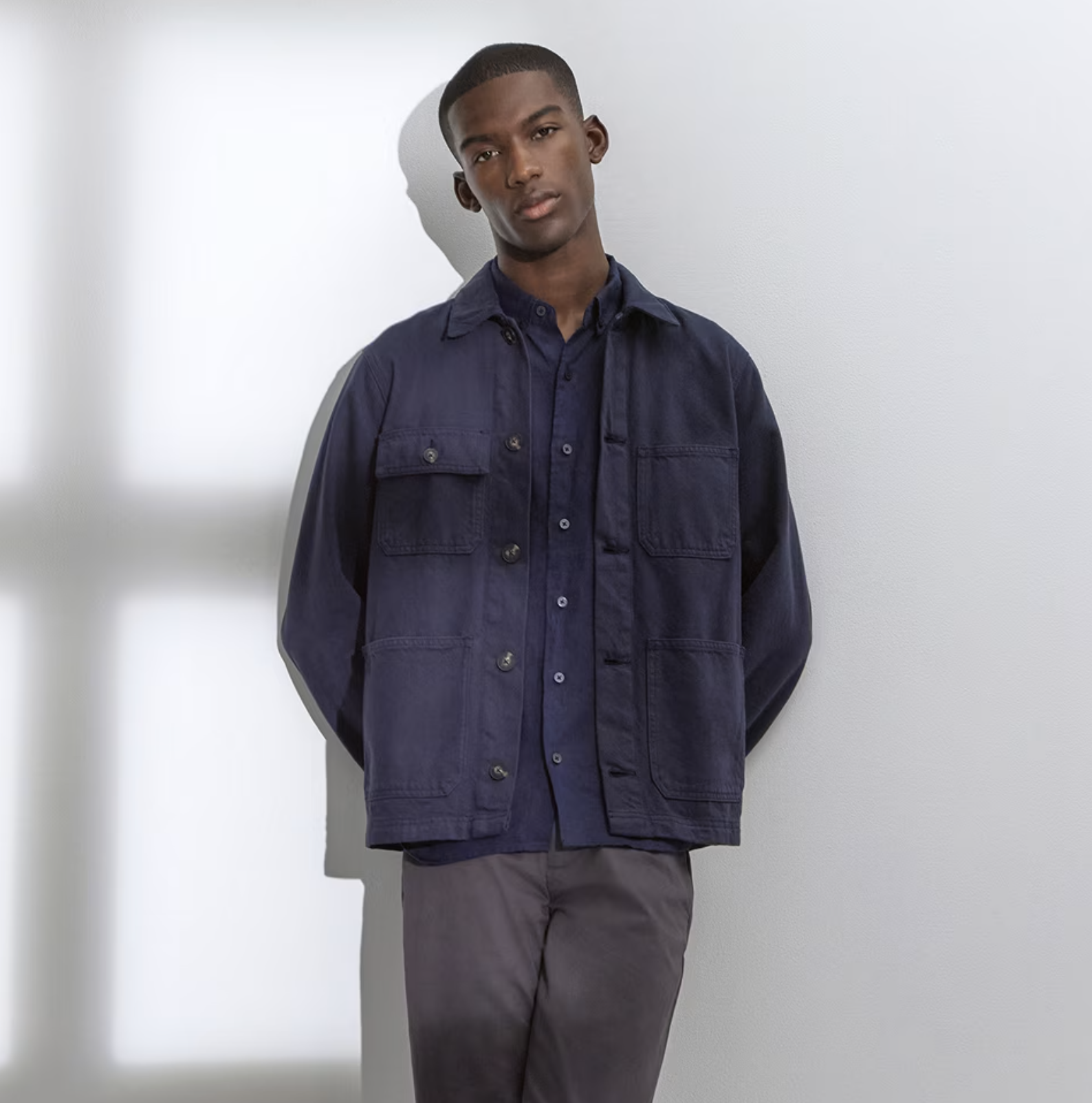
Everlane: Known for their "radical transparency," they break down the true cost of every item, including materials, labor, transportation, and duties. They also publish details about their factories and working conditions. While they're not perfect, their step-by-step approach to sustainability is making waves.
Bottom line: Brands that prioritize longevity, transparency, and circularity are showing that fashion doesn't have to come at the expense of the planet.
Subscribe now to continue reading.
(16% discount)
• Access to unlimited articles
• Sustainable product guides & recommendations
• Weekly newsletters
Already a member? Log in.