


You've Been Eating Petroleum (Allegedly)


You've Been Eating Petroleum. Allegedly.
I grew up in the house with all the good snacks. Fruit by the Foot, Fruit Roll-Ups, Pizza Lunchables, every sugary cereal ever made. My mom was either very cool or very tired, and either way I am grateful. When I was pregnant, I kept a box of Pop-Tarts in my car for emergencies (CarTarts), and I can neither confirm nor deny the current sugar content level of our pantry. The below was an actual text exchange with my friend when I was 9 months pregnant.
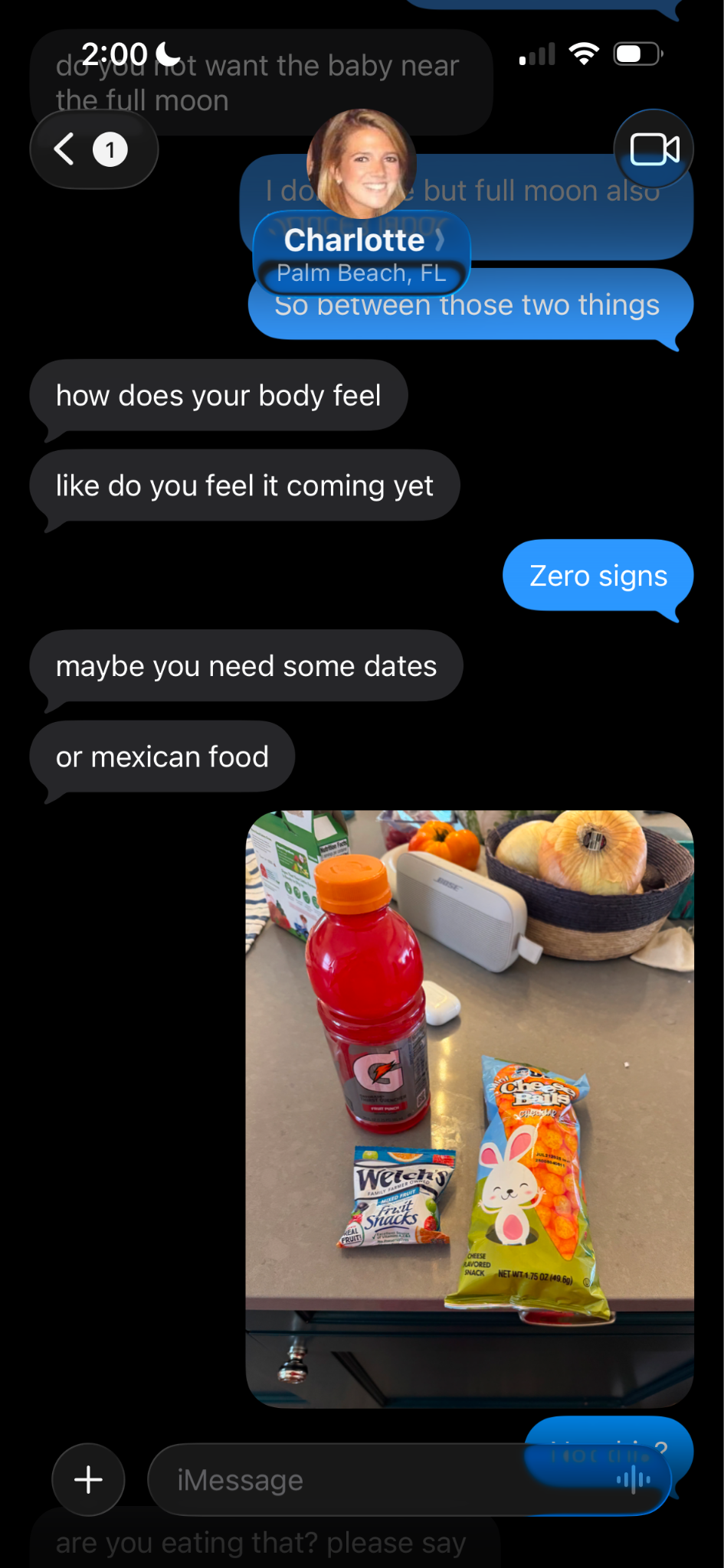

I tell you this not to confess but to establish credibility. I have eaten my weight in processed food and I have zero interest in making you feel bad about yours. What I do want to do is show you two things hiding in plain sight on every label you've ever half-read in a grocery store aisle.
The Fourth Most Common Ingredient You've Never Actually Understood
Pick up almost any packaged food and scan the ingredient list. Salt, water, sugar, and then, practically guaranteed: natural flavors. "Natural flavor" is the fourth most common ingredient on food labels, appearing in more than a fifth of 80,000 foods, behind only salt, water, and sugar.
According to the FDA, natural flavors must be derived from real plant or animal sources, including spices, fruits, vegetables, edible yeast, herbs, bark, buds, roots, meat, seafood, poultry, eggs, or dairy products. That sounds reasonable enough until you get to the fine print. There are thousands of individual substances currently in use as flavors, and one food can contain more than 100 individual flavor substances, all legally collapsed into two words on the label.
The reason companies love this term has nothing to do with your health and everything to do with theirs. Flavor blends are treated as trade secrets. By grouping them under "natural flavors," companies comply with FDA labeling laws without revealing the exact recipe that gives their product its signature taste. Using the umbrella term also means manufacturers can swap out one ingredient for another without a costly label redesign. The cookies you buy today may not contain the same compounds as last year's version, but the label looks identical.
The only difference between a natural and artificial flavor is where the ingredient originally came from. The actual chemical makeup can be exactly the same. So "natural flavor" and "artificial flavor" can be chemically identical. One just had a plant or animal somewhere in its origin story.
You may have heard that strawberry or vanilla flavoring comes from beaver anal glands. This is technically true and practically irrelevant. While castoreum, a substance from the castor sacs near a beaver's anus, was historically used in food flavoring, experts say there's almost nothing in grocery stores today that contains it. "It turns out that the stuff is incredibly expensive, because it's rare; there's no way it's in your ice cream," according to a chemist who studies the science of food. The beaver story went viral because it's disgusting. The actual story is less viscerally gross and somehow more unsettling: you just don't know what's in there, and the company doesn't have to tell you.
Now About That Red
While we're reading labels, let's talk about the color.
In early 2025, the FDA banned Red Dye No. 3 from food due to cancer risks found in animal studies. Sounds like good regulatory instincts, right? Except the FDA had already banned Red Dye No. 3 from cosmetics back in 1990, after the same cancer link was discovered. That means for 35 years, it was illegal to put on your face but perfectly legal to eat. The bright cherry color in your candies, frostings, and cough syrups was held to a lower standard than your lipstick. The EU, along with New Zealand and Australia, had already banned Red Dye No. 3 from food back in 1994. America took an additional 31 years.
Red Dye 40, the more common one, is still in wide use. The FDA called on food manufacturers to voluntarily phase it out by the end of 2026, though this is not an enforceable ban. The EU, by contrast, has required a warning label on any food containing Red 40 since 2010, stating it "may have an adverse effect on activity and attention in children."
The detail that tends to stop people: these are petroleum-based dyes, derived from crude oil. They are, in the most literal sense, made from the same stuff that goes into your gas tank. And they have been showing up in children's cereal, fruit punch, and gummy bears for decades while sitting next to the words "natural flavor" on the same label.
What To Do With This
I want to be honest with you: short of cooking everything from scratch, you cannot fully opt out of natural flavors. They are in products from brands you trust, including ones marketed as clean or organic. What you can do is stop assuming "natural" means anything. It is a sourcing descriptor, not a safety or quality designation.
On the dye front, the momentum is real. More than 15 state food additive laws have been enacted nationwide, with nearly 70 introduced across state legislatures. Schools in California, Utah, and West Virginia are already banning synthetic dyes from cafeterias. The food industry is reformulating, slowly, because states are forcing the issue that the federal government wouldn't.
In the meantime, the easiest swap is also the most obvious: the closer something is to its original form, the less likely it is to contain a flavor engineered in a lab or a color derived from crude oil. That's not a moral judgment on Pop-Tarts. Some emergencies require a Pop-Tart. It's just useful information to have.
Subscribe now to continue reading.
(16% discount)
• Access to unlimited articles
• Sustainable product guides & recommendations
• Weekly newsletters
Already a member? Log in.