


The Sunscreens Making Waves (Without Harming Them)


Block Party
When I was a senior in college, our entire class had dreams of doing something incredibly fun all together, but lacked a ringleader to take the lead on organizing. Two of my roommates and I thought that if we just went ahead and booked something and told people our plans, they would follow.
TL;DR: no one else came and the three of us found ourselves at an all-inclusive resort in Punta Cana. While we loved each other, it was definitely the type of vibe that would have been a lot more fun with 300, or 30, or even 13 people rather than 3.
In retrospect, it was probably good that no one else came because that’s when I decided to experiment with not wearing any sunscreen for the entire trip.
Exhibit A:
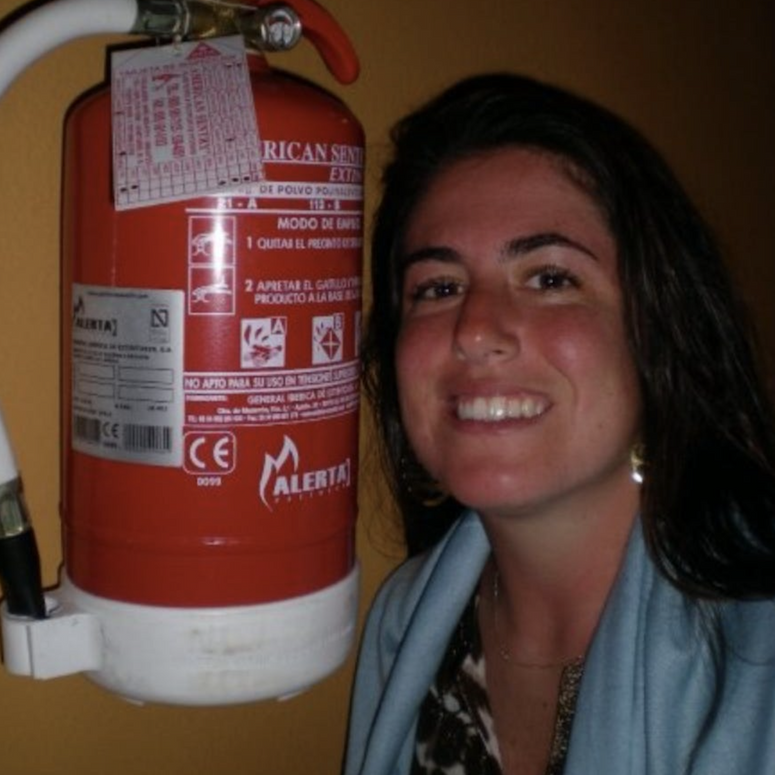
I’m wiser now. Not only do I wait to book a trip until I have confirmation from everyone going, but I also wear sunscreen. And because it’s officially the beginning of summer (thanks, Memorial Day!), I thought we’d focus this week on sunscreen.
If you’ve been following me for awhile, you know I’m not one to guilt-trip, but sunscreen is one of those sneaky essentials that deserves a little more scrutiny. We slather it on to protect ourselves (as we should), but many formulas are wreaking quiet havoc on marine life. Chemical UV filters like oxybenzone and octinoxate have been linked to coral bleaching and hormone disruption in marine species. It's gotten so bad that places like Hawaii and Palau have banned them altogether. A splash in the ocean here, a rinse in the shower there—it all adds up.
The packaging doesn’t exactly win gold stars either. Most sunscreens come in single-use plastic tubes that are non-recyclable due to their chemical contents. Spray cans might feel like convenience incarnate, but they're also releasing VOCs into the air and often contain propellants that make recycling tricky, if not impossible. That said, not all sunscreens are created equally (and yes, we did the research so you don’t have to).
This is one of those small, but mighty swaps that can have a ripple effect—literally. Think of it as skin protection that doesn’t come at the ocean’s expense. Finding the right sunscreen is overwhelming - even before you get into the health & environmental impacts, you want to make sure it rubs (or sprays) on smoothly, doesn’t smell weird, and actually works. Then, add in what you’re spraying into your pores, what sweats off into our waterways, and won’t kill the reefs.
As a reminder, here’s exactly what to look for in adult and baby sunscreen, and here are our favorite picks.
Subscribe now to continue reading.
(16% discount)
• Access to unlimited articles
• Sustainable product guides & recommendations
• Weekly newsletters
Already a member? Log in.

.jpg)

