


What To Put on Your Holiday Table

If you do only one thing this holiday season: plan the food. Food waste is the biggest single footprint of the season. ReFED estimated Americans wasted about 320 million pounds of food on Thanksgiving 2025 alone, roughly $550 million worth, and about 40% of it was turkey. Every pound thrown out carries the water, land, and emissions it took to grow, ship, and refrigerate. A right-sized turkey and a leftover plan beat every eco gift and roll of recycled paper out there.
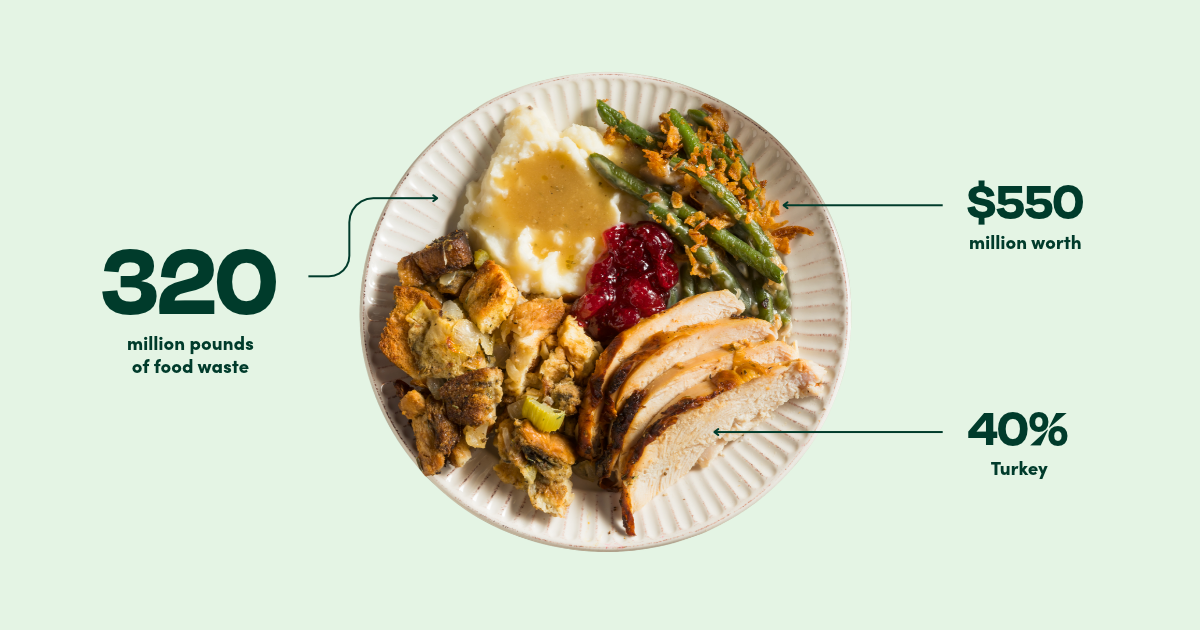
Americans wasted about 320 million pounds of food on Thanksgiving 2025 alone, roughly $550 million worth, and about 40% of it was turkey
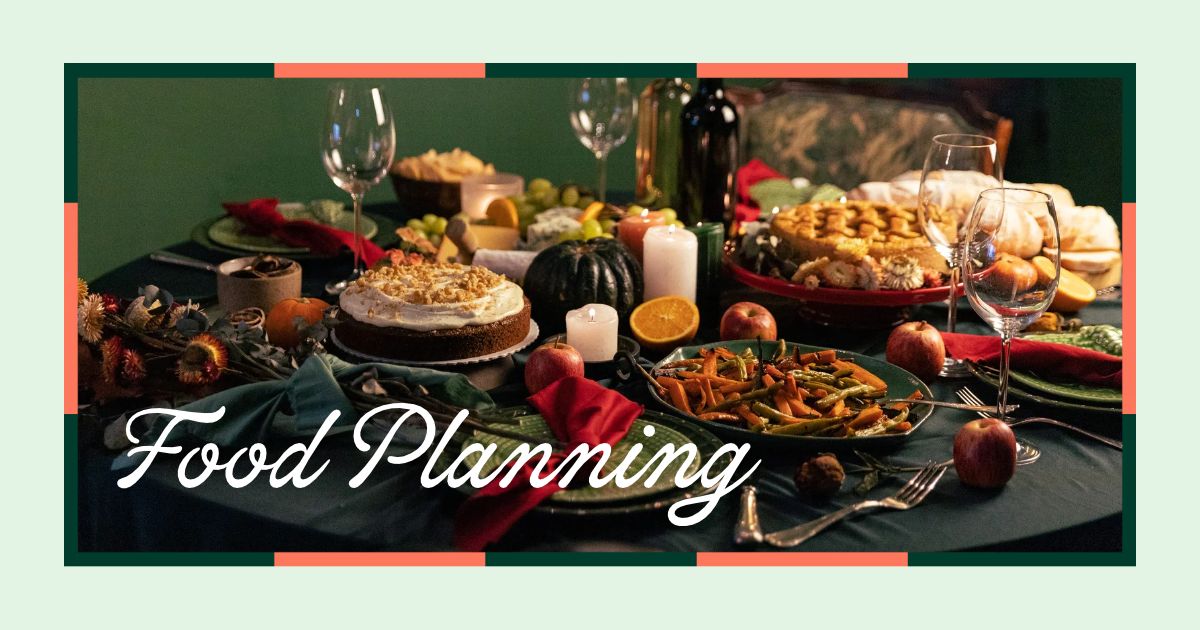
The lower-impact plate
Not recipes, just a few swaps. Keep the tradition; change the sourcing or the amount. The general rule: beef and lamb have the biggest footprint of anything on the table, followed by cheese, then pork and poultry. Beans, grains, and in-season vegetables have the smallest. Farmed mussels and clams are among the lowest-impact proteins there are.
Cook for the crowd you have. Most holiday food waste comes from cooking too much. For turkey, plan on 1 to 1.5 lb per person, or roast just a breast for a small group. Plan the big pots knowing you'll freeze some, and put "bring a container" in the invite so leftovers go home with guests and don't end up in the trash.
Go easy on beef. Beef has the highest footprint of any common protein, so a smaller brisket or prime rib makes a real difference. Ham, pork, poultry, or one plant-forward main (stuffed squash, a grain bake) also work. If beef is the tradition, keep it, just buy less and buy it from a farm you trust.
Choose seafood carefully. For Christmas Eve's Feast of the Seven Fishes, or for New Year's shrimp, check your choices against Seafood Watch. Mussels, clams, sardines, and anchovies are among the lowest-impact proteins there are, and they're traditional. Choose US wild-caught shrimp over imported farmed, and skip bluefin and eel.
Let the season do the work. Squash, Brussels sprouts, root vegetables, potatoes, winter greens, and apples are in season and low-impact. Many traditional dishes already fit this, like the greens, black-eyed peas, and sweet potatoes at Kwanzaa's Karamu feast and on New Year's Day.
Use what you have. Make stuffing from stale bread and gravy from the drippings. Latke oil can be strained and reused across a few nights of Hanukkah. When you're done with it, pour it into a jar and throw it away or take it to a grease drop-off. Never pour it down the drain.
Cut the packaging.
- Buy pies, sufganiyot, and cookies from a bakery in one box, not in plastic clamshells
- Have guests bring a tin for the cookie exchange
- Serve drinks in cans or boxed wine (cans recycle best), with a pitcher of water instead of bottled
- Pick domestic sparkling wine over imported champagne, since glass is heavy to ship
Buy with intention. Cocoa has well-documented child-labor problems, so choose Fairtrade or Rainforest Alliance chocolate, Hanukkah gelt included. Squeeze the foil wrappers into one fist-sized ball before recycling, because small scraps get lost in sorting. For Kwanzaa, buying from Black-owned farms, CSAs, and markets reflects ujamaa, the principle of cooperative economics.

Setting the table
- Real dishes beat disposables. If you don't have enough, borrow, rent, or thrift a party set you keep for every gathering.
- "Compostable" plates only if they're actually composted at a commercial facility. In a landfill they're just trash, and can be worse than plastic.
- Cloth napkins for a crowd: buy a set once and use it every year.
- Decor that composts: gourds, greens, citrus, and pinecones. Cut flowers: local or dried, since most winter flowers are flown in.
- Cooking energy: keep the oven full rather than running it twice; don't preheat longer than you need; lids on pots; an induction burner for overflow cooking (see our Kitchen guide).
Shop:
- Cloth napkins: Unpaper Towels Small Cloth Napkins (12-pack), Public Goods Organic Cotton Napkins, or Crate & Barrel Organic Cotton Fringe Napkins
- A serving board: Caraway 17" Prep & Serve Butcher Block
- If you need compostable plates (and can compost them): Repurpose Compostable 10" Dinner Plates
- Party dishware: a local party rental company, or a thrifted set you keep for every gathering
- Glassware: Hawkins New York Recycled Glassware, West Elm Mexican Luster Glasses, Kessy Beldi Recycled Bottle Glasses
Parties: office parties, ugly sweaters, and New Year's Eve
- Ugly sweaters: thrift one, swap them with friends, or wear last year's. Don't buy a new polyester one to wear once.
- Glitter and confetti: plastic glitter is microplastic, and "biodegradable" glitter isn't much better
- Balloons: never release them. Foil (Mylar) balloons conduct electricity and cause power outages when they hit lines (one Nevada utility traced 400 outages to balloons in four years), and released balloons kill wildlife. About a dozen states now restrict balloon releases. Skip foil balloons entirely; if you use latex ones, pop them and throw them out.
- Cups: real glasses, or rent them. Solo cups (#6 polystyrene) are rarely recycled.
- Champagne: corks can be composted (natural cork) or recycled; the foil and cage go in metal recycling where accepted.
- Party favors and noisemakers: skip the plastic ones.
- Offer good non-alcoholic drinks: a pitcher of something special beats a case of single-serve bottles.
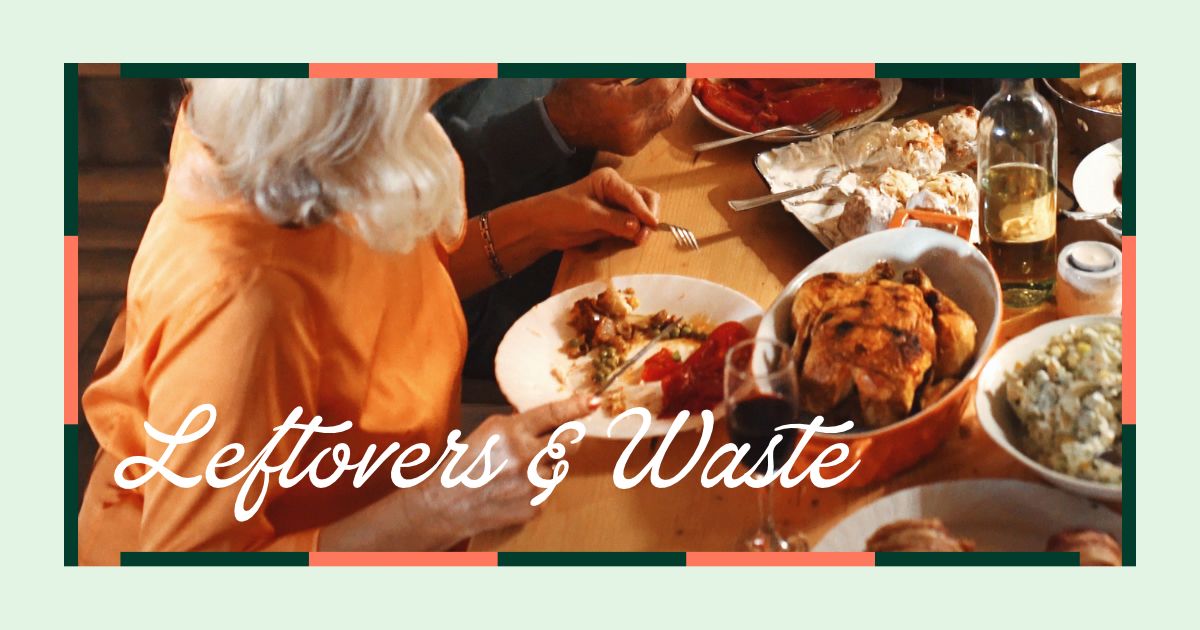
Leftovers
- Food safety: refrigerate within 2 hours; eat within 3–4 days, or freeze (USDA).
- Send guests home with leftovers in containers they bring, or in jars you'd otherwise recycle.
- The carcass and bones make stock. After that, they go in municipal or commercial compost, never a backyard bin.
- Freeze in portions, labeled with the date. Freeze anything left before New Year's.
- Remix ideas (not recipes): turkey soup or pot pie, stuffing waffles, a leftover grain bowl, mashed potato cakes, cranberry sauce in yogurt or on toast, pie for breakfast.
Shop:
- Glass storage: Anyday 14-Piece Glass Round Dish Set, or the Anydeli Mixed Set
- Silicone bags and lids: Stasher Backpack Pro 5-Pack, or Stasher Circle Stretch Lids
- Beeswax wraps: Bee's Wrap Assorted 5-Pack
Composting holiday scraps
- Backyard bin: vegetable and fruit scraps, coffee grounds, eggshells, plain bread, paper napkins, untreated greenery.
- Municipal or commercial compost only: meat, bones, dairy, oily food, and "compostable" plates and cutlery.
- Never in compost: grease in any real amount (see below), glitter, foil, plastic-coated paper.
Shop: Oxo Easy-Clean Compost Bin
Fat, oil, and grease: turkey grease, latke oil, fryer oil
The short version: never down the drain. Cool it, contain it, and recycle it if your city collects it. That covers turkey drippings, bacon fat, latke oil, and the three gallons of peanut oil in the turkey fryer.
Why it matters. Grease goes down the drain as a liquid and turns solid as it cools in the pipes, catching food scraps, rice, and wipes as it goes. In your house, that's a clogged sink. In the city, it's how sewers get "fatbergs," the giant masses that block sewer mains. The EPA has estimated that close to half of US sewer overflows (raw sewage backing up into streets, basements, and waterways) involve grease blockages.
And the holidays are peak season. Roto-Rooter calls the day after Thanksgiving "Brown Friday," its busiest day of the year, with calls about 50% above an average Friday. Turkey grease, pasta, and rice top the list of culprits.
The three myths that send grease down the drain
- "It's fine if I run hot water with it." Hot water just carries the grease farther down the pipe before it cools and sticks, often somewhere harder (and more expensive) to reach.
- "The garbage disposal handles it." Disposals chop solids; they do nothing to grease, and grease gums up the disposal too.
- "A squirt of dish soap breaks it up." Soap breaks grease up for a few feet. It comes back together downstream.
Septic systems are no exception: grease clogs the drain field, and that's an expensive repair.
What to do with it, best to worst
- Use it. The best grease is the grease you cook with.
- Make the gravy from the drippings. Pour them into a fat separator (or a glass measuring cup, then skim), use the fat for the roux, and the juices for flavor.
- Save the rest: strained turkey or chicken fat (schmaltz) keeps in a covered jar in the fridge for weeks
- Frying oil can be reused several times: let it cool completely, strain it through a fine sieve or coffee filter, and store it covered somewhere cool and dark. Retire it when it smells off, turns dark, foams, or starts smoking at normal temperatures. Hanukkah's eight nights of latkes don't need eight bottles of oil.
- Recycle it. Used cooking oil and grease can be turned into biodiesel and biogas. Many cities run holiday grease drop-offs from Thanksgiving through early January (Keller and Richardson, Texas; Lexington, Kentucky's "Gobble Grease Toss"; Austin; and San Francisco are a few), and some cities and waste haulers take it year-round.
- How to find yours: search "[your city] cooking oil recycling" or "holiday grease drop-off," or check your city's water or sewer department page. They're the ones paying for the clogs.
- Turkey fryer oil should always go to a drop-off. It's gallons, too much for the trash, and the most valuable for biodiesel.
- Bring it in a sealed, labeled container (the original oil jug is perfect). Don't mix in water, food scraps, or other liquids.
- Trash it, the right way. If there's no drop-off near you:
- Let it cool completely. Never pour hot grease into plastic or the trash.
- Fats that solidify (turkey fat, bacon fat, beef drippings): pour into a can, glass jar, or old milk carton and let it harden (the fridge or freezer speeds this up). Then lid it and put it in the trash.
- Oils that stay liquid (canola, vegetable, peanut, olive): seal in a container with a lid, or soak it into something absorbent (paper towels, used coffee grounds, cat litter, sawdust) before it goes in a bag.
- Wipe pans before washing. A scraper or a used paper towel to get the film out of the roasting pan keeps the last bit of grease out of the drain too.
What not to do
- Down the sink, disposal, or toilet, even "just a little," even with hot water.
- Backyard compost: fat and meat drippings attract rodents, go rancid, and slow everything down. (Some municipal or commercial compost programs accept small amounts; check yours.)
- Out on the lawn or in the yard: it attracts animals and can get into storm drains.
- Bird feeders: skip the drippings. Bird charities (the RSPB in the UK has made this its holiday message) warn that cooked roasting fat mixed with meat juices stays soft, smears onto feathers, ruins their waterproofing in winter, and goes rancid fast. If you want to feed birds fat, use plain store-bought suet, not drippings or bacon grease.
Already poured it down the drain?
- If it was a small amount and the sink is still draining: a kettle of very hot water (not boiling if you have PVC pipes) with a good squirt of dish soap can loosen a fresh, small buildup. It won't fix a real clog, and it's a one-time fix, not a disposal method. Then stop adding grease.
- Skip chemical drain cleaners. They're hard on pipes, dangerous if they splash, and often just push the clog farther down.
- Try a plunger or a drain snake before you call anyone.
- Call a plumber if the drain is slow, gurgling, or smells, or if more than one drain in the house is backing up (that points to the main line).
Turkey fryer safety (the other holiday grease hazard)
Thanksgiving is the peak day of the year for home cooking fires, with more than three times the daily average (National Fire Protection Association), and turkey fryers are part of the reason.
- Fully thaw and dry the turkey. Ice and water make hot oil boil over and erupt.
- Measure the oil first: put the turkey in the pot, fill with water to cover, take the turkey out, and mark the line. Overfilling is how most fryer fires start.
- Outdoors only, on a flat surface, well away from the house, the garage, and the deck. Never in a garage or under an overhang.
- Keep kids and pets away, and never leave it unattended.
- Never put water on a grease fire. Turn off the burner if you can do it safely, and use a fire extinguisher rated for grease (Class K or ABC). If it's spreading, call 911.
- Let the oil cool for hours (overnight is best) before straining it to reuse or taking it to a drop-off.
The best thing you can do with turkey grease is make gravy. The second best is to take it to a drop-off. The worst is the sink.
Shop:
- Fat separator: OXO Good Grips Fat Separator
- Fine-mesh strainer: OXO Good Grips Fine-Mesh Strainer
- Glass jars for storing fat: Weck jars or Ball mason jars
- Sink drain strainer: OXO Good Grips Silicone Sink Strainer
- Kitchen fire extinguisher: First Alert Kitchen Fire Extinguisher (KITCHEN5)
Shop This Post:
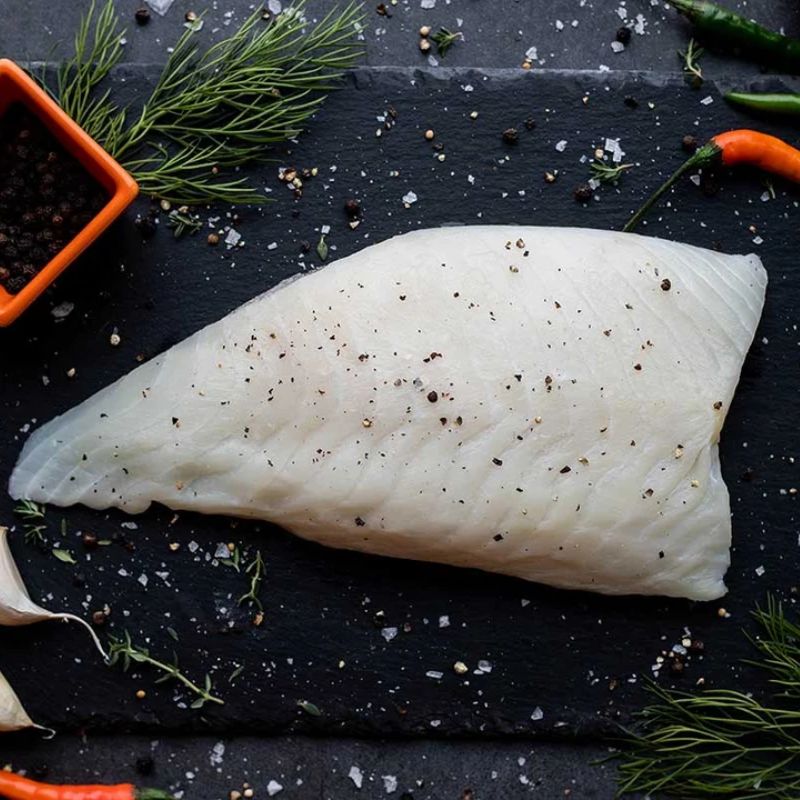
Halibut Bundle
Wild halibut from small-boat fishermen in Alaska, where fisheries are some of the best managed in the world. Frozen at peak freshness, and a Feast of the Seven Fishes centerpiece you'll want to brag about.
SHOP NOW
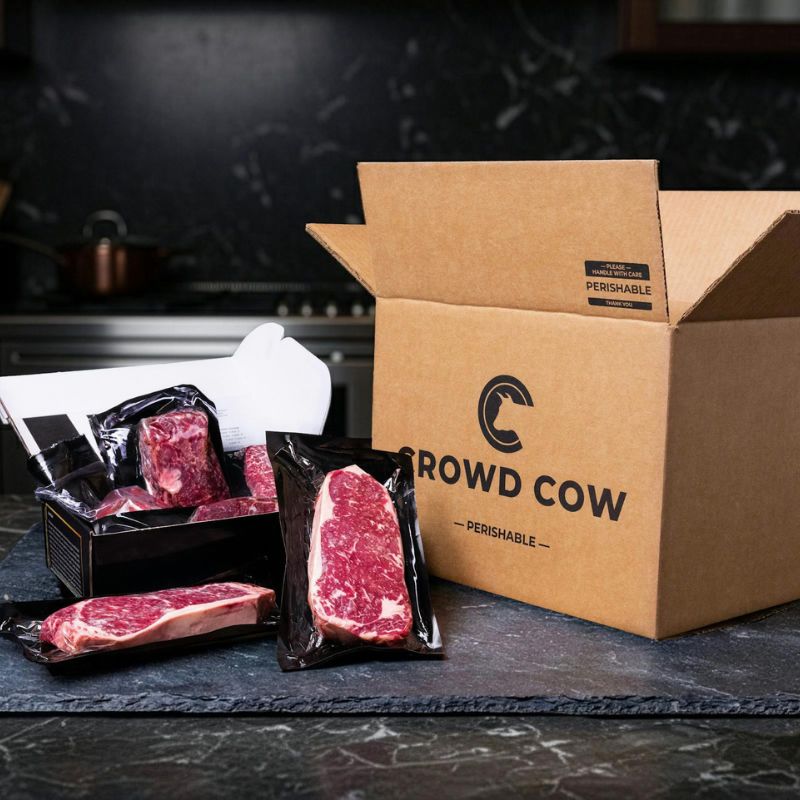
Meat and Seafood from Independent Farms
Know your farmer, without driving to the farm. Crowd Cow tells you where your meat comes from and how it was raised, so you can buy less, buy better, and know what "better" actually means.
SHOP NOW

Heritage Turkeys and Meats
Most supermarket turkeys come from a single breed raised to grow as fast as possible. Heritage birds grow slowly on small farms, which helps keep older breeds around and puts a bird on your table you can actually feel good about.
SHOP NOW
Subscribe now to continue reading.
(16% discount)
• Access to unlimited articles
• Sustainable product guides & recommendations
• Weekly newsletters
Already a member? Log in.


